Applications of Bearings in Solar Power Systems : Hardai ARMND
- Home
- The Silent Drivers of Green Energy: Applications of Bearings in Solar Power Systems
Introduction
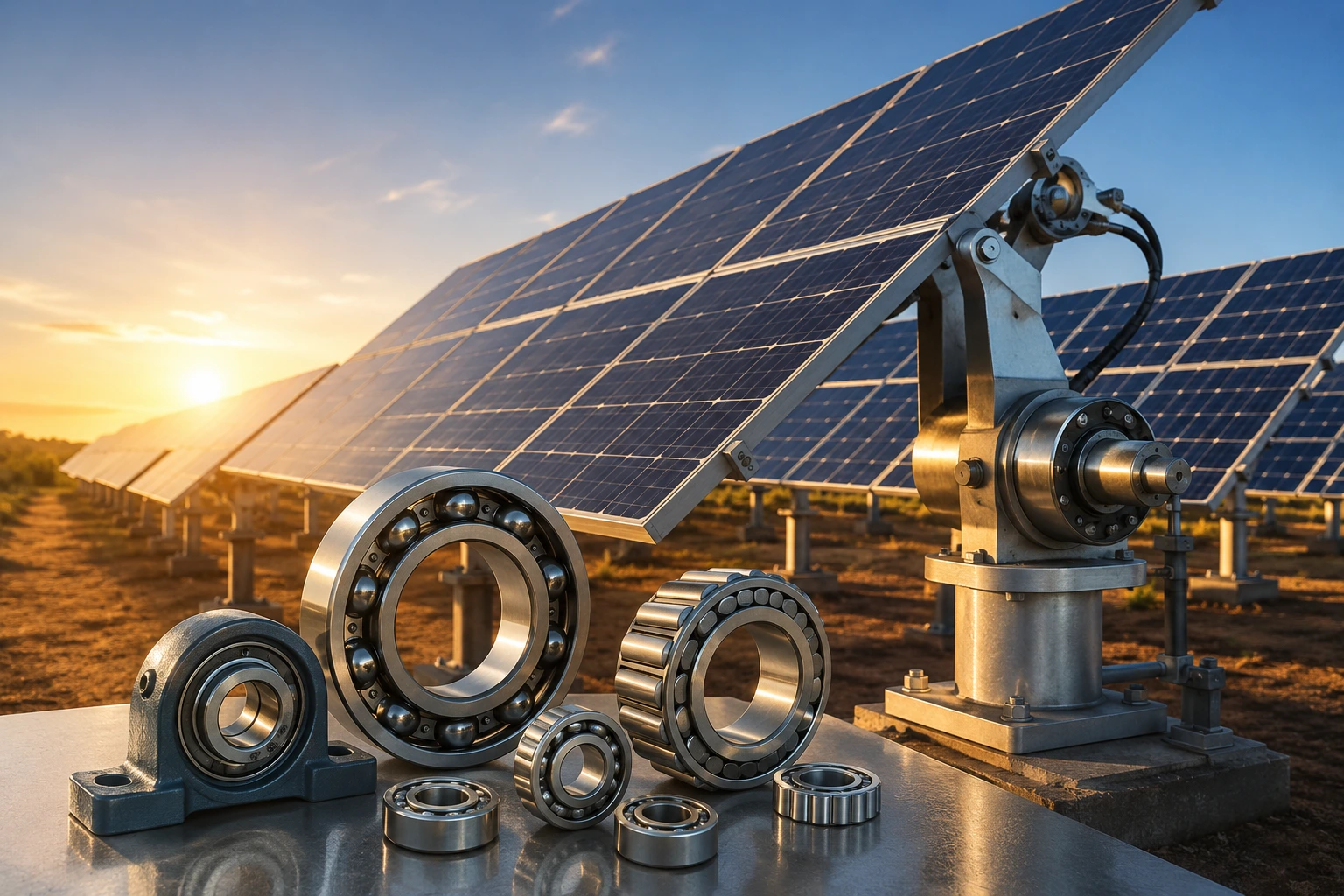
Utility-scale solar power generation is fundamentally dynamic. While photovoltaic cells capture the headlines, the underlying structural mechanics dictate whether a project achieves its projected financial yield. Maximizing the Levelized Cost of Energy (LCOE) requires solar arrays to actively follow the sun’s trajectory. This mechanical movement introduces a critical vulnerability: a single bearing failure can lock a tracker row in place, instantly slashing that row’s energy yield by 20% to 30% while generating immediate, unplanned operations and maintenance (O&M) expenses. Within utility-scale assets, bearings serve as the critical, unheralded interface between structural stability and kinematic efficiency.
Why Movement Matters: The Mechanics of Modern Solar Systems
Fixed-tilt photovoltaic (PV) installations offer structural simplicity but suffer from steep cosine losses as the sun moves across the sky. To optimize the angle of incidence, modern utility-scale assets increasingly deploy dynamic tracking systems.
By continuously adjusting the orientation of the solar modules relative to the sun, horizontal single-axis trackers boost annual energy production by 25% to 30% compared to fixed systems. Dual-axis trackers, which adjust for both azimuth and elevation, can increase yields by up to 35% or more in high-irradiance regions.
Angle of Incidence (θ) = 0° –> Maximum Energy Absorption
Angle of Incidence (θ) > 0° –> Cosine Losses (Efficiency drops by cos(θ))
This performance premium depends entirely on mechanical articulation. Bearings in solar power systems act as the primary structural pivot points. They must support the dead weight of massive torque tubes and heavy 600W+ modules, handle dynamic wind loads, and allow smooth rotation with minimal frictional torque over a design life exceeding 25 years.
Core Applications of Bearings in Solar Power Systems
The mechanical demands placed on photovoltaic tracker hardware vary significantly depending on the system architecture and the specific axis of rotation.
Photovoltaic (PV) Horizontal Single-Axis Trackers
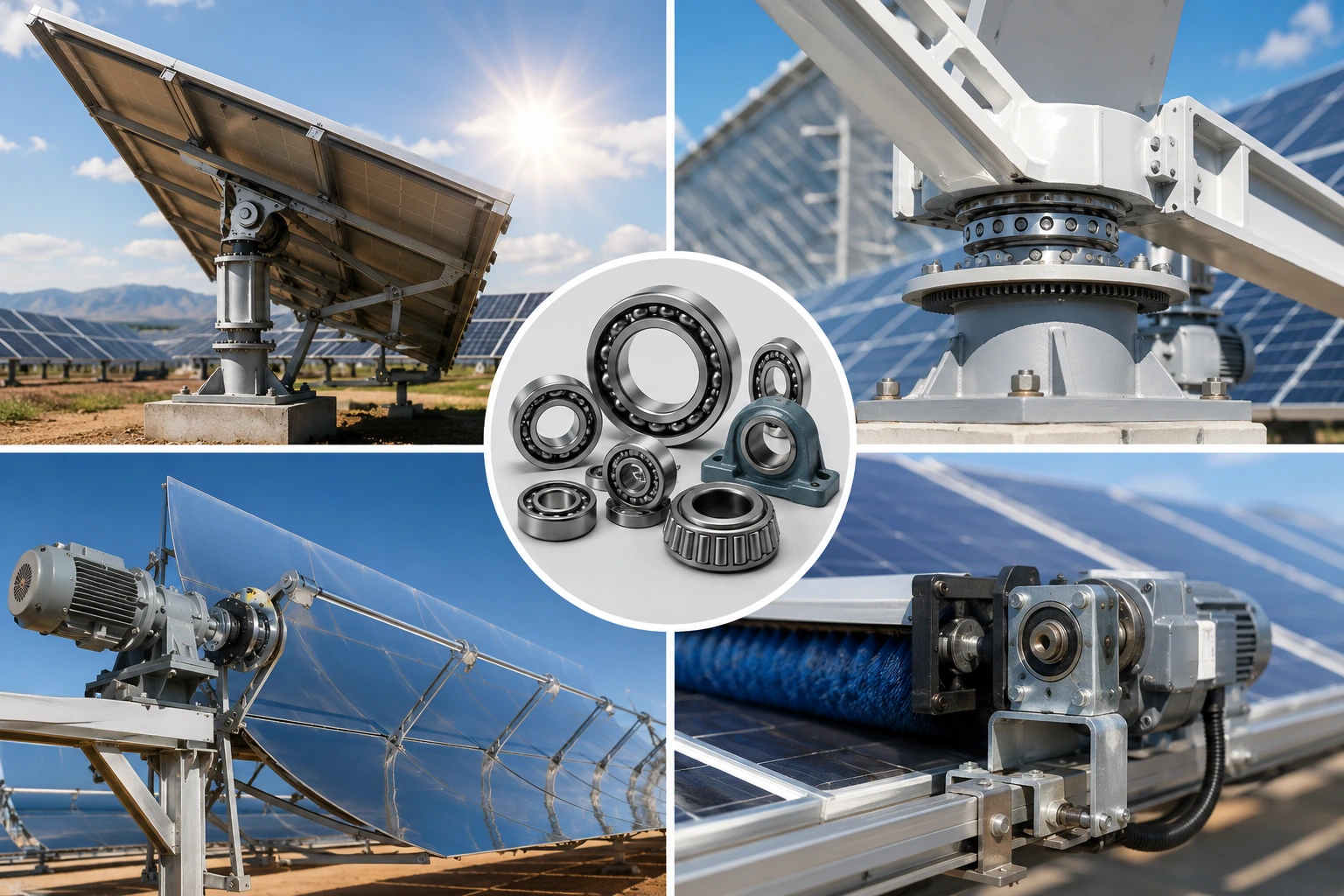
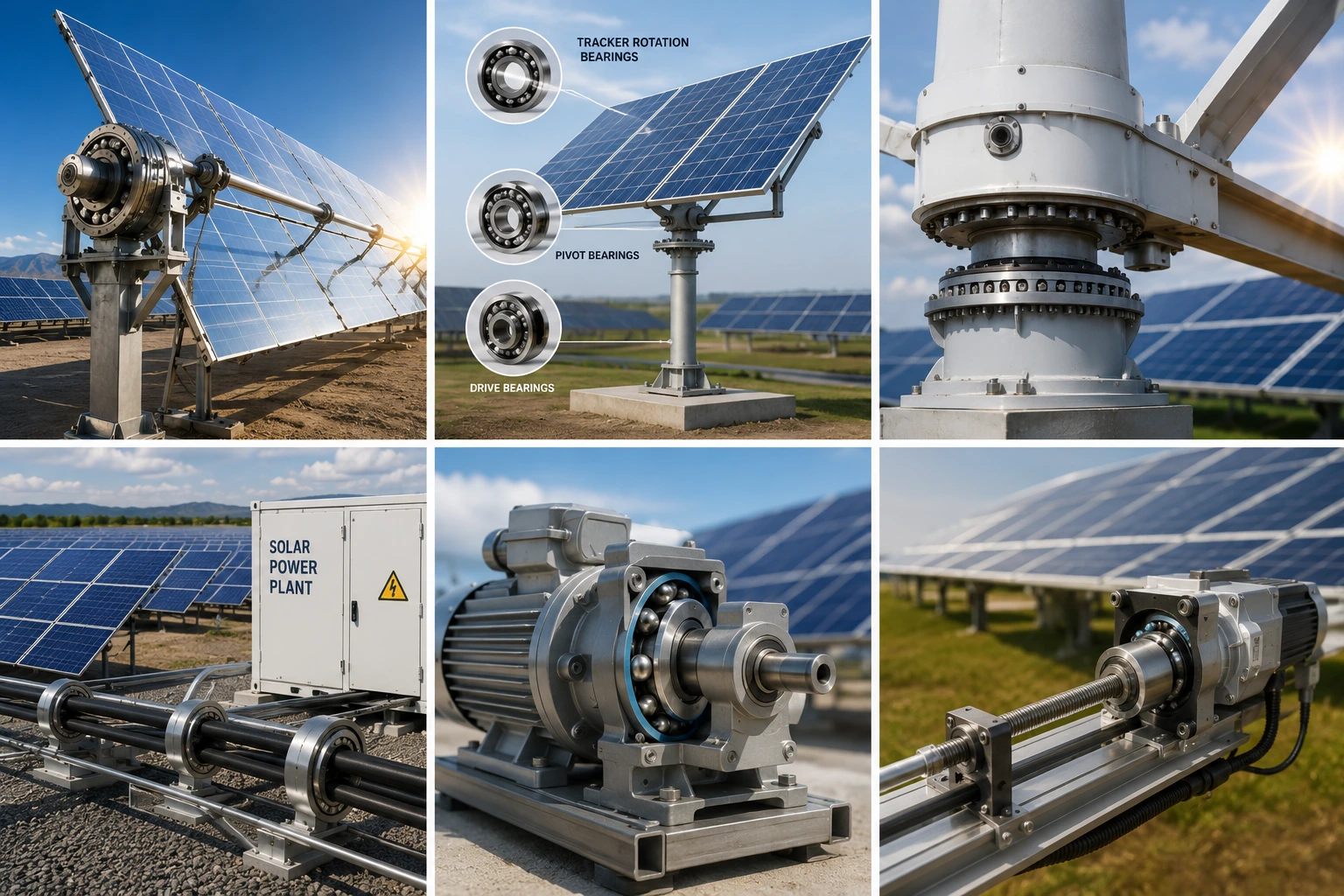
In horizontal single-axis configurations, the main pivot bearings are distributed along the length of a continuous or segmented torque tube. These bearings must accommodate structural misalignment caused by uneven terrain or installation tolerances.
Engineers typically specify heavy-duty spherical plain bearings, cylindrical bushings, or split-bearing designs for these positions. Split bearings are particularly valuable for reducing installation labor, as they assemble directly around the torque tube without requiring the installer to slide the bearing housing across the entire length of the tube segment. These main pivot assemblies facilitate the slow, incremental east-to-west rotation of the array throughout the day, operating under high static loads and low rotational velocities.
Dual-Axis PV Systems & Concentrated Solar Power (CSP)
Dual-axis PV trackers and Concentrated Solar Power (CSP) installations operate on an entirely different scale of mechanical complexity. In CSP systems, thousands of individual heliostats or parabolic troughs must track the sun with milliradian precision to concentrate solar radiation onto a central tower receiver or collector tube.
This multi-axis tracking relies on heavy-duty slewing drives for solar and integrated slewing ring bearings. These large-diameter components feature internal or external gearing that meshes with worm gears or planetary gearboxes, allowing the system to make minute, highly controlled adjustments in both the horizontal (azimuth) and vertical (elevation) planes simultaneously.
Azimuth and Elevation Drives
The gearboxes driving solar trackers experience complex, combined multi-directional forces. The internal bearings within these azimuth and elevation drives must manage high radial loads from dead weight, high axial loads from wind thrust, and severe tilting moment loads caused by asymmetric wind pressures across the surface of the array. Tapered roller bearings and four-point contact ball bearings are commonly deployed within these tracking gearboxes to maintain precise gear meshing and prevent structural deflection under peak load conditions.
Engineering Challenges: Operating in Harsh Environments
Standard industrial bearings are engineered for high-speed, clean, and well-lubricated environments. When deployed in the solar sector, these same bearings fail prematurely due to a combination of environmental and structural factors.
Extreme Weather & UV Exposure
Solar farms are intentionally located in regions with high global horizontal irradiance (GHI), such as arid deserts, plains, and coastal areas. These environments expose tracking hardware to continuous, high-intensity ultraviolet (UV) radiation, which rapidly degrades standard synthetic seals and non-UV-stabilized polymers. Furthermore, diurnal temperature swings—often exceeding 40°C between day and night—cause significant thermal expansion and contraction within the steel structural elements, putting additional stress on bearing clearances and housing alignments.
Particulate Ingress
Desert sites introduce the challenge of airborne particulates like dust, silica sand, and fine grit. Without specialized sealing systems, these micro-abrasives penetrate the bearing race, mixing with grease to form a destructive grinding paste. This sand ingress accelerates abrasive wear, increases frictional torque requirements, and leads to premature mechanical binding or catastrophic surface fatigue of the rolling elements.
Static and Dynamic Wind Loads
Wind load resistance in solar hardware is a primary structural design criterion. Trackers present a massive surface area to ambient wind currents, acting as sails. During high-wind events, the tracking system is typically driven into a safe stow position (flat or at a steep angle, depending on the specific structural aerodynamics).
The bearings must withstand intense static loads during windstorms, as well as dynamic, high-frequency torsional oscillations known as aeroelastic fluttering. If a bearing lacks sufficient static load capacity, these wind loads can cause subsurface plastic deformation—a failure mechanism known as brinelling—which creates permanent dents in the bearing raceway and leads to rough operation and localized stress concentrations.
Material Science Innovations in Solar Bearings
To combat these environmental hazards and drive down lifecycle O&M costs, manufacturers have turned to advanced material science and tribological innovations.
Traditional Bearings: Regular Greasing Schedules -> High Labor Costs -> Risk of Ingress
Moern Solar Bearings: Self-Lubricating Polymers -> Zero Maintenance -> High UV & Ingress
Self-Lubricating Polymers
The industry has seen a structural shift away from traditional, grease-lubricated metallic bearings toward advanced self-lubricating solar bearings. These bushings are engineered from high-performance engineering plastics (such as specialized polyamides or POM blends) integrated with solid lubricants like polytetrafluoroethylene (PTFE) or graphite.
Eliminating manual grease lubrication solves two critical issues: it removes the risk of dust binding to wet grease, and it eliminates the recurrent labor and material costs associated with periodic manual greasing campaigns across thousands of tracker rows over a multi-decade project lifespan.
Corrosion-Resistant Alloys & Coatings
For projects located in humid, tropical, or high-salinity coastal environments, atmospheric corrosion can quickly degrade standard carbon steels. To preserve PV tracking system durability, modern solar hardware incorporates specialized surface treatments.
Zinc-nickel (Zn-Ni) electroplating, hot-dip galvanizing, and specialized thin-dense chrome coatings provide barrier protection against moisture and chloride ions. In highly corrosive applications, engineers specify high-grade stainless steels or marine-grade anodized aluminum housings to ensure structural integrity over the project’s economic life.
Key Factors for Selecting Solar Tracker Bearings
Procurement engineers and EPC contractors must evaluate specific mechanical and financial criteria when specifying solar tracker hardware to ensure long-term site reliability.
- Load Capacity Profiles: The assembly must be rated to handle simultaneous radial loads (panel and tube mass), axial thrust loads (wind drift), and overturning moment loads (asymmetric wind forces) without exhibiting geometric deformation.
- Service Life Expectancy: Bearings must be structurally rated and simulated for a minimum 25-to-30-year operational life, matching the performance warranty of modern bifacial PV modules.
- Total Cost of Ownership (TCO): Component selection should balance the initial procurement cost against long-term operational savings. A cheaper bearing that requires annual greasing or exhibits a high mid-lifecycle failure rate will quickly erase any initial hardware savings through inflated O&M costs.
- Ease of Installation & Alignment: Upfront labor accounts for a significant portion of utility-scale capital expenditures. Split-bearing housings or components with high angular misalignment tolerances speed up mechanical assembly on-site and easily accommodate minor civil engineering variances in post-driving accuracy.
Conclusion & The Future of Solar Hardware
The solar industry is standardizing around larger, higher-power modules, such as 600W+ bifacial variations. These larger form factors increase the physical surface area per tracker row, which exponentially scales up the static dead weight and dynamic wind loads exerted on the tracking infrastructure.
As structural loads rise, the performance margins for mechanical components become tighter. The bearings supporting these tracking networks are no longer simple components; they are critical links in utility-scale performance. By specifying advanced, self-lubricating, and environmentally resilient bearings, developers and asset managers protect their structural hardware, minimize long-term O&M expenditures, and secure the predictable energy yields that determine the macro-level Levelized Cost of Energy (LCOE) for global renewable portfolios.
Recent Posts
- Custom Automation Robotic Grippers: Improving Precision and Manufacturing Efficiency
- Custom Industrial Automation Solutions & Special Purpose Machines (SPM) for Modern Manufacturing
- Custom Machines: The Complete Guide to Custom Machine Design and Manufacturing
- Dry Film Lubricants vs. Wet Greases: When to Eliminate Liquid Lubrication Completely
- Types of Automation Systems in Manufacturing A Complete Guide for Indian Manufacturers
Products
-
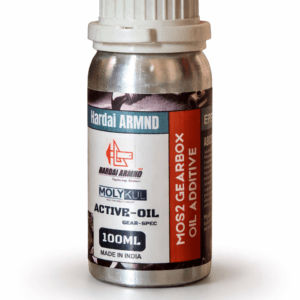
 MolyKul MoS2 Gear Oil additive for cars and bike| Anti-friction MoS2 Solution - 100ml
₹598.73Original price was: ₹598.73.₹399.62Current price is: ₹399.62. Including 18% GST -
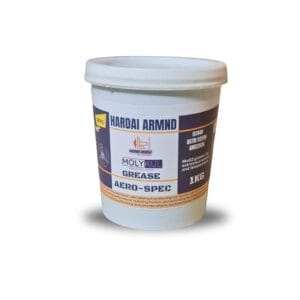
MolyKul Aero-Spec 500 (MKG AS500 NG2) – MoS2 Anti-Seize Aerospace grease – 500 Deg C
₹2,088.60 – ₹9,739.72Price range: ₹2,088.60 through ₹9,739.72 Including 18% GST
-
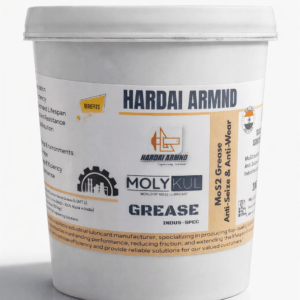
MolyKul MoS2 Grease for industrial application| Lithium + Anti-Seize MoS2 - 650 Deg C
₹1,539.90Original price was: ₹1,539.90.₹1,169.38Current price is: ₹1,169.38. Including 18% GST -
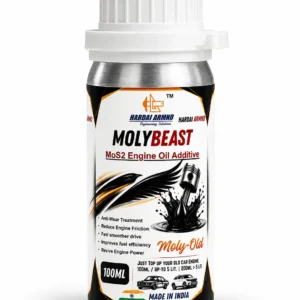
MolyKul MoS2 engine oil additive for cars and bikes| Anti-friction MoS2 Solution - 100ml
₹195.88 – ₹531.00Price range: ₹195.88 through ₹531.00 Including 18% GST
-
MolyKul MoS2 Grease for industrial application| Lithium + Anti-Seize MoS2 - 320 Deg C
₹684.40 – ₹6,608.00Price range: ₹684.40 through ₹6,608.00 Including 18% GST

Leave A Comment