Designing Modular SPMs for High-Mix, Low-Volume Manufacturing | HardaiARMND
- Home
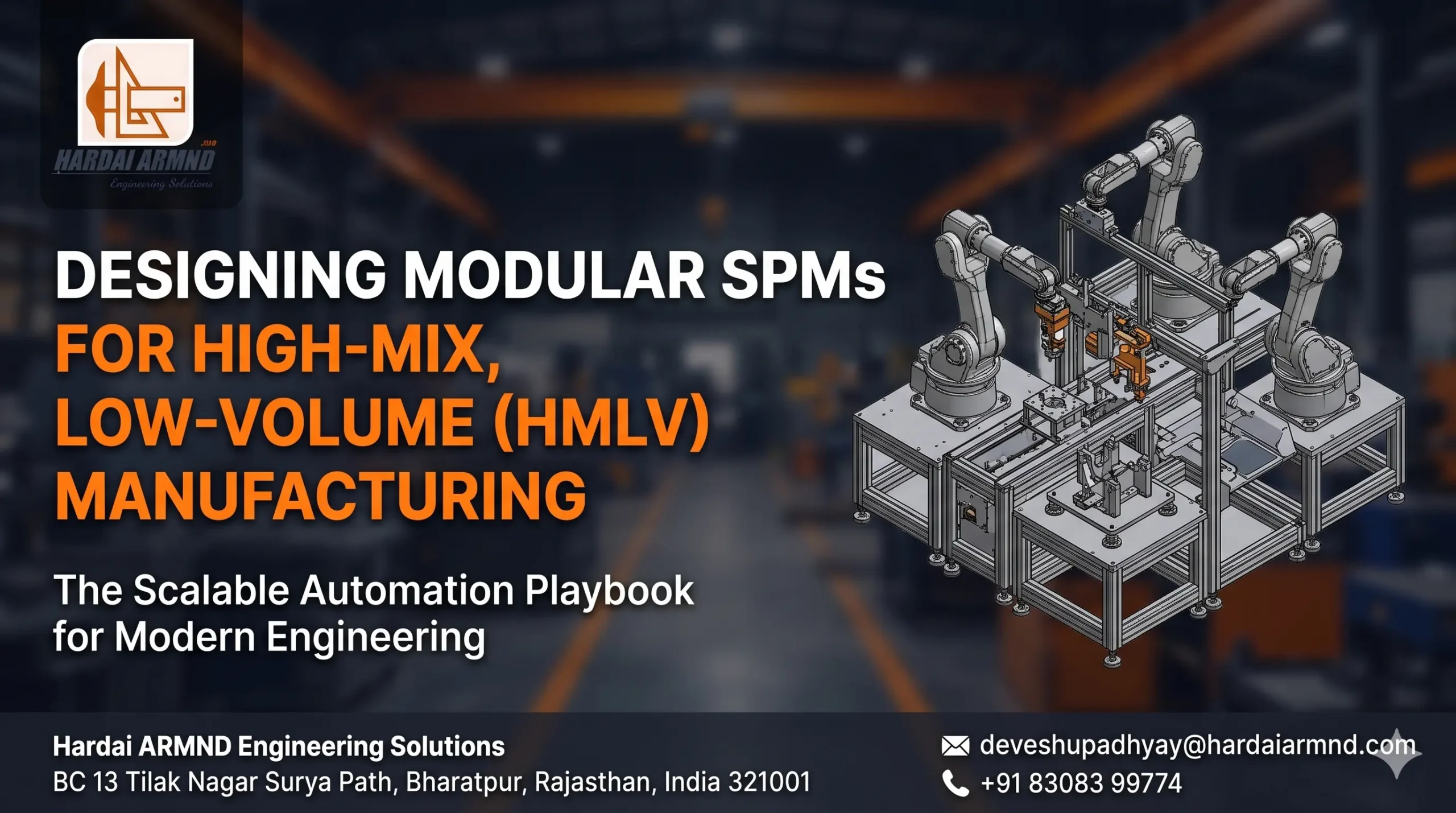
- Designing Modular SPMs for High-Mix, Low-Volume (HMLV) Manufacturing: The Scalable Automation Playbook
Introduction
Modern discrete manufacturing no longer runs on the luxury of five-year, single-variant production contracts. Driven by mass customization, tighter product lifecycles, and just-in-time supply chains, manufacturing facilities in automotive tier-1 supply, aerospace, defense, and precision engineering face a structural dilemma: High-Mix, Low-Volume (HMLV) production.
In an HMLV environment, machine utilization and Overall Equipment Effectiveness (OEE) typically plummet. Traditional manufacturing operations find themselves trapped between two suboptimal equipment paradigms:
- Standard Computer Numerical Control (CNC) Machining Centers: Highly flexible and easily reprogrammed, but plagued by long cycle times, sequential processing bottlenecks, and high per-piece labor and capital costs for dedicated operations like multi-axis pressing, orbital riveting, or combined drilling/inspection.
- Conventional Dedicated Special Purpose Machines (SPMs): Unrivaled in throughput and capable of slashing cycle times via concurrent multi-station processing. However, they are mechanically hard-tooled for one specific part geometry. When that part faces an engineering change notice (ECN) or lifecycle end, the machine becomes a multi-million-rupee stranded asset.
Bridging this gap requires rethinking automation from the ground up: Modular Special Purpose Machines (Modular SPMs). By decoupling the static machine foundation from part-specific kinematics and fixturing, modular SPMs combine the rapid throughput of dedicated automation with the agility of reconfigurable CNC cells.
1. Deconstructing the Modular SPM Architecture
A modular SPM is not merely a standard machine with adjustable clamps. It is a decoupled, standardized mechatronic platform engineered around deterministic mechanical, electrical, and pneumatic interfaces.
A. Mechanical Decoupling & Standardized Baseframes
Traditional SPM frames are fabricated as monolithic weldments tailored to a specific tool footprint. If stations shift, the machine bed must be torched, remachined, and stress-relieved.
Modular SPMs utilize standardized machine chassis designed with:
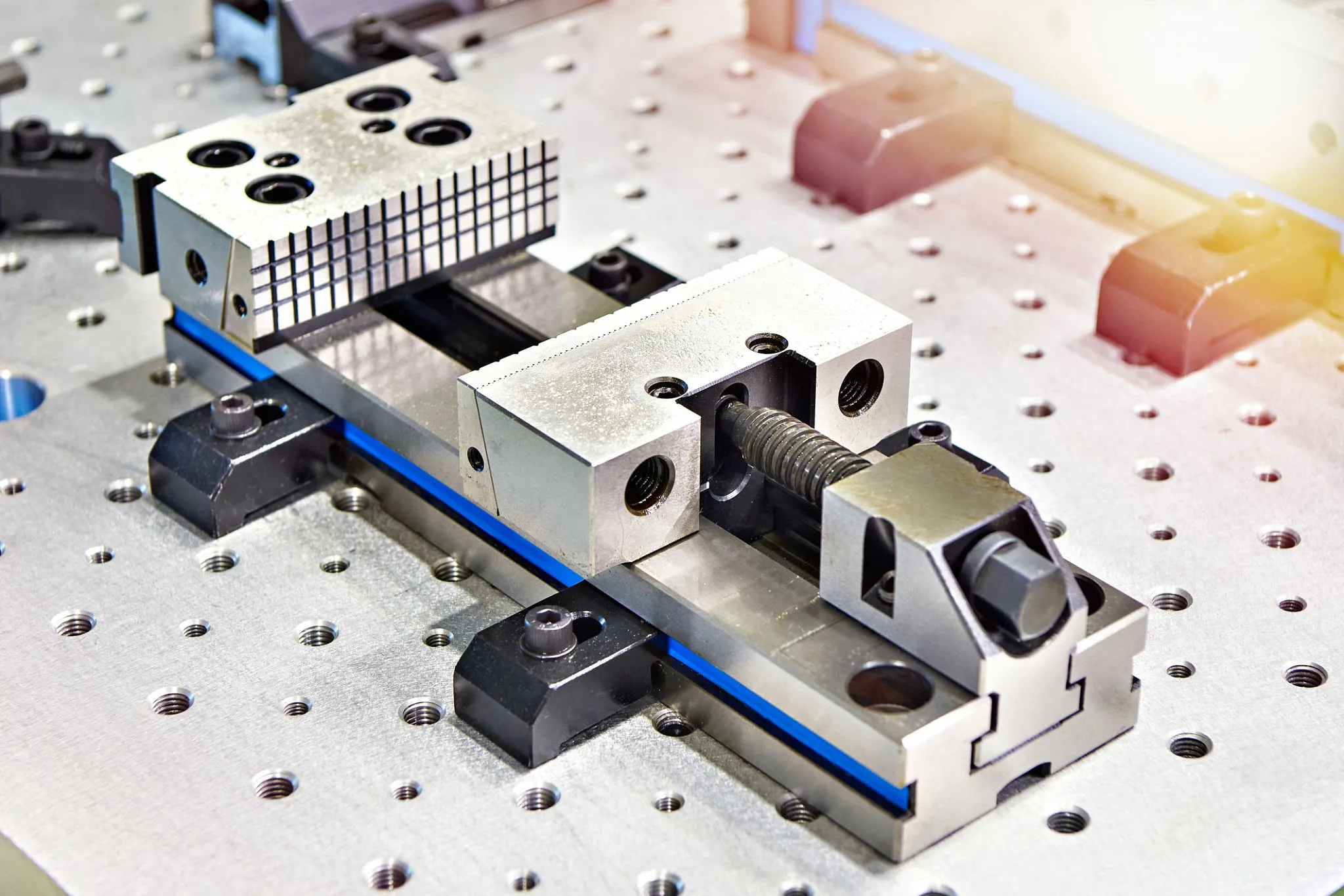
- Precision Grid Tooling Plates: Precision-machined ground steel or cast iron (GG25/EN-GJL-250) base plates featuring standard hole grids (e.g., 50 mm ±0.01 mm pitch with alternating M12 threads and hardened 12H7 dowel bushings).
- Vibration-Damped Polymer Concrete/Cast Mineral Bases: High-frequency vibration damping properties (up to 10× superior to welded steel) ensure dynamic cutting and pressing loads do not compromise adjacent inspection or machining modules.
- Unified Utility Manifolds: Integrated utility chases delivering filtered shop air (6–8 bar), cutting fluids, vacuum lines, and 24VDC/400VAC bus routing directly under the grid pattern, terminating at quick-disconnect bulkheads.
B. Sub-10-Minute Tooling & Fixturing via SMED Principles
To maintain high OEE on production runs of 50 to 500 units, changeover cannot take hours. Applying Single-Minute Exchange of Die (SMED) methodology requires:
- Zero-Point Clamping Systems: Pneumatic or hydraulic zero-point clamping receivers embedded directly into the machine bed. Sub-plates carrying part-specific fixtures drop into position and lock with repeatability below 5 µm (0.005 mm0.005\text{ mm}0.005 mm), eliminating the need for dial indicators and manual alignment.
- Poka-Yoke Mechanical Keying: Fixture sub-plates carry physical pin configurations that physically prevent cross-variant loading.
- Integrated RFID Variant Tags: Embedded RFID chips (e.g., ISO 15693) on each fixture block communicate directly with the cell controller upon docking, verifying that physical tooling matches the active production recipe.
C. Reconfigurable Kinematics & Motion Units
Fixed-stroke pneumatic cylinders are the chief source of obsolescence in legacy automation. Modular SPMs replace fixed strokes with software-programmable, swappable motion modules:
- Modular Cartesian & Gantry Gantries: Standardized linear motor or ballscrew axes built as self-contained drop-in modules with linear encoder feedback down to 1 µm resolution.
- Servo-Driven Rotary Indexing Tables: Programmable servo tables allow dynamic station positioning (e.g., 4-stop, 6-stop, or 8-stop sequences depending on cycle complexity) rather than fixed-degree mechanical cam indexers.
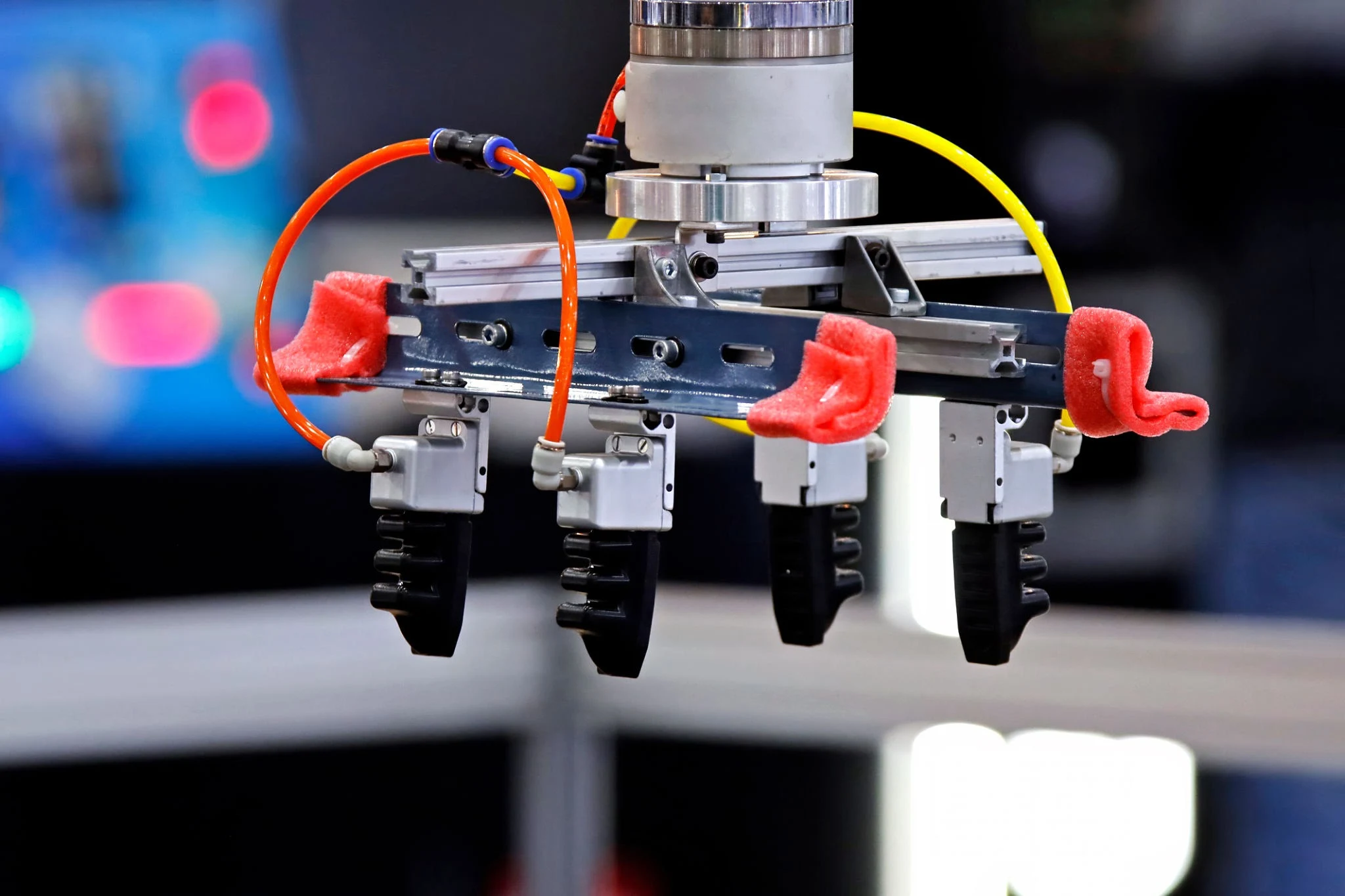
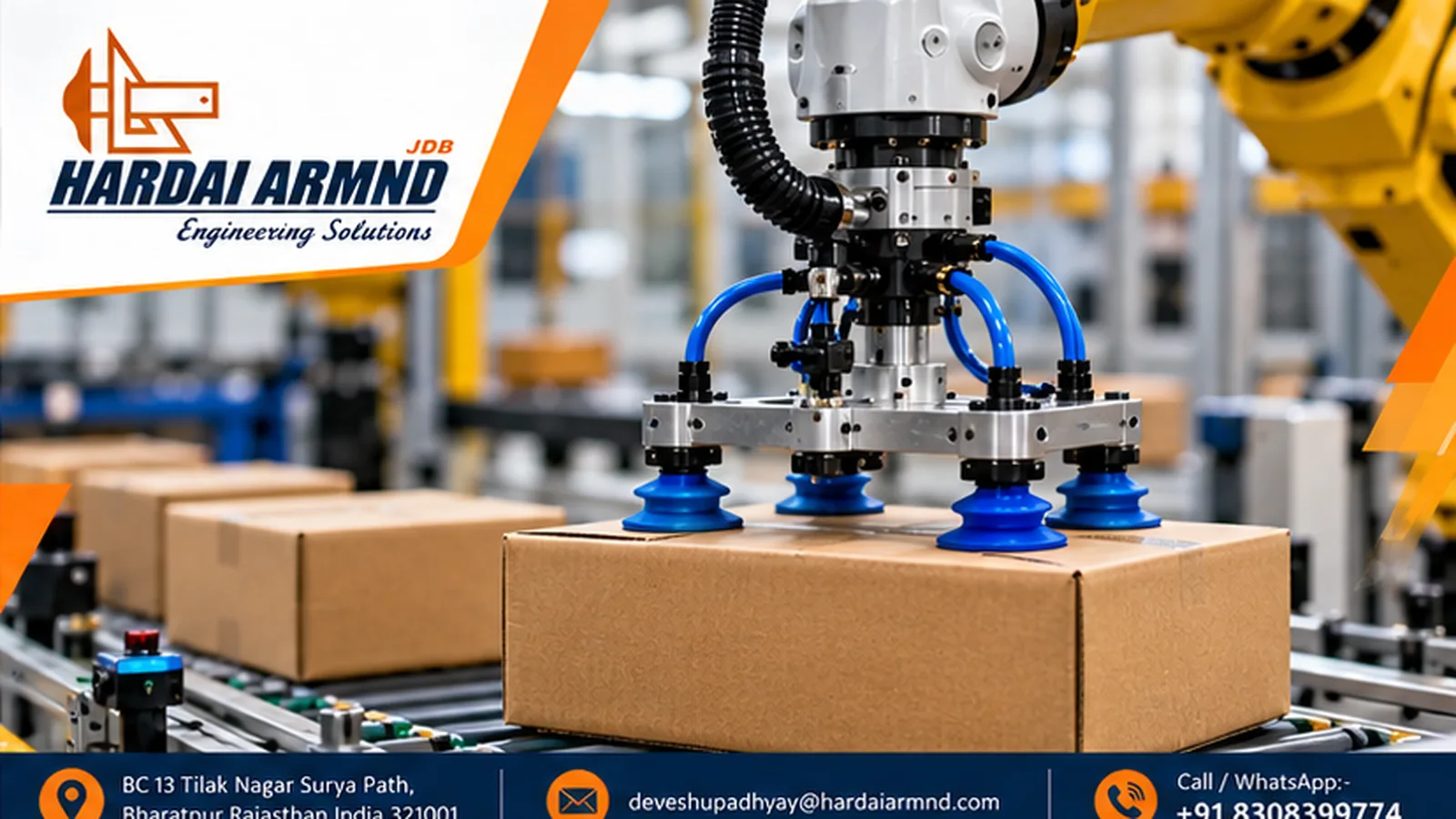
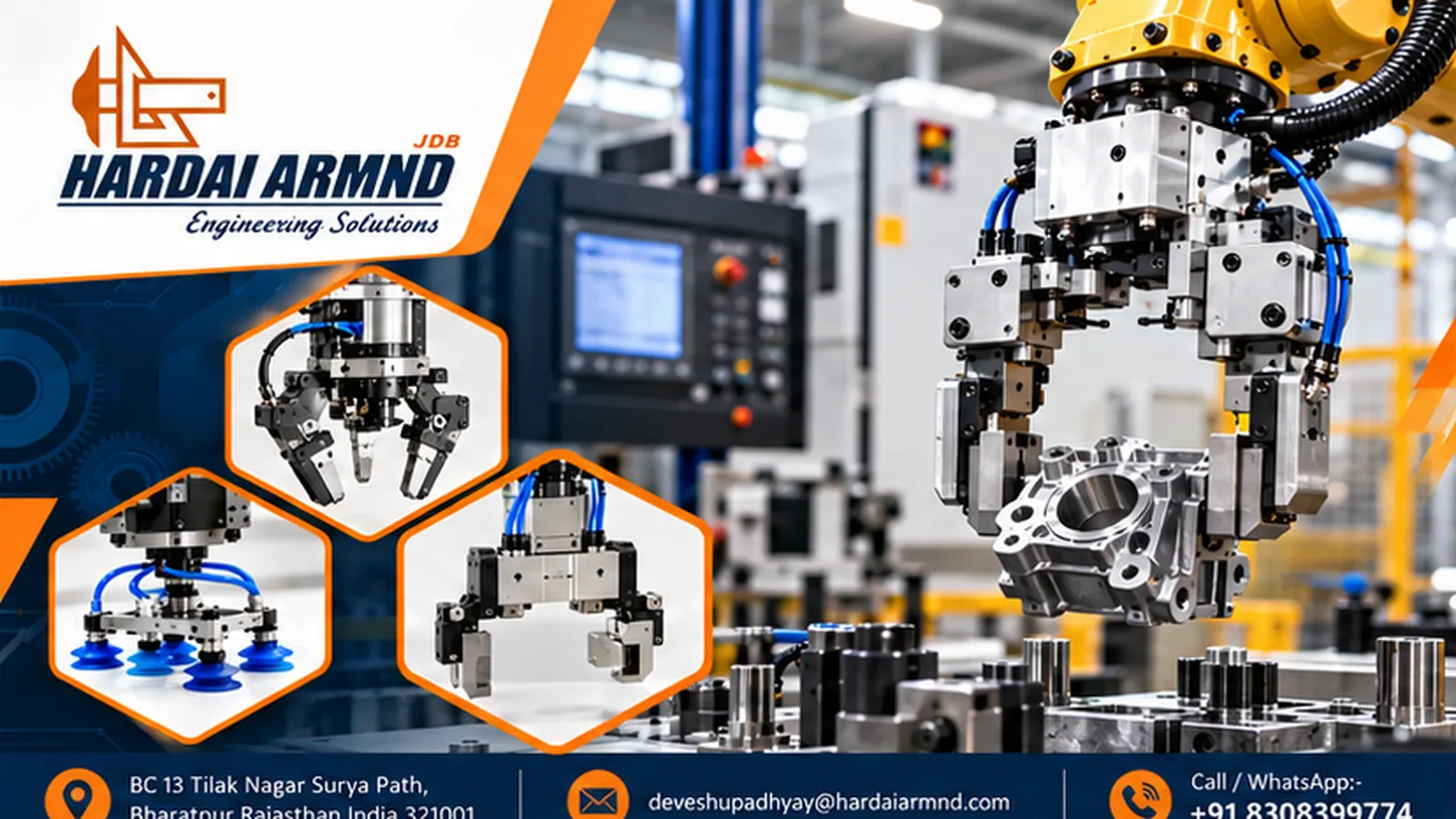
- Quick-Change Robotic End-of-Arm Tooling (EOAT): When articulated or SCARA robots handle part manipulation, automatic pneumatic tool changers allow the robot to swap custom pneumatic, vacuum, or servo-electric grippers within 4 seconds.
D. Decentralized Control Architecture & Plug-and-Play Fieldbus
Rigid centralized control cabinets packed with point-to-point I/O wiring choke modularity. When an engineer moves a station, re-pulling 40 sensor cables through wireways consumes days of downtime.
Modern modular SPMs adopt decentralized, bus-based controls:
- IO-Link Master Integration: IP67-rated machine-mountable IO-Link masters collect digital, analog, and smart sensor signals directly on the tooling module. A single M12 connector carries power and industrial Ethernet back to the main cabinet.
- Real-Time Deterministic Fieldbuses: Protocols like EtherCAT or PROFINET with IRT (Isochronous Real-Time) support modular device profiles (MDO). If Station 3 (e.g., an automated tapping head) is removed and replaced with a laser marking head, the PLC stack reconfigures nodes on the fly without network topology recompilation.
- Dynamic HMI Recipe Systems: Part variants are governed by cloud-tethered or local SQL-backed recipes. Loading Variant B adjusts servo stroke limits, torque cut-offs, vision model parameters, and pneumatic pressure thresholds automatically.
2. Engineering Challenges and Advanced Solutions
Designing a machine that disassembles and reconfigures without sacrificing micron-level accuracy introduces unique engineering obstacles.
Structural Rigidity vs. Modularity
Bolted, modular joints inevitably reduce static and dynamic stiffness compared to continuous welded structures. During heavy milling, drilling, or servo-pressing operations, compliance across interfaces manifests as chatter, tool wear, and dimensional drift.
- Finite Element Analysis (FEA) Pre-Optimization: Prior to machining, structural assemblies undergo modal and harmonic FEA modeling to identify resonant frequencies and ensure structural nodes do not align with operational spindle frequencies (typically 50–300 Hz).
- Kinematic Couplings: Modules interface via precision three-groove or ball-and-vee kinematic mounts, constraining all six degrees of freedom without over-constraint, ensuring identical load distribution under repeated clamping.
Tribological Management & Wear at Reconfigurable Interfaces
Frequent docking and undocking of mechanical sub-plates, locating pins, and automated chucks cause micro-fretting, surface scuffing, and galling. In dry machining, electronic assembly, or cleanroom environments, traditional wet grease attracts dust, metal fines, and swarf, forming an abrasive lapping paste that destroys alignment surfaces.
- Advanced Solid Dry-Film Lubrication: Critical locating dowels, clamp tapers, and sliding guide surfaces are engineered with bonded Molybdenum Disulfide (MoS2) coatings.
- Benefits:
- Sub-0.05 coefficient of friction without tacky wet oils.
- Extreme pressure (EP) resistance up to 250,000 psi250,000\text{ psi}250,000 psi, exceeding the yield strength of most structural steels.
- Prevention of adhesive galling during high-frequency fixture exchanges, maintaining repeatable zero-point location across tens of thousands of cycles.
Safety and Vision Adaptability
Safety interlocks must dynamically scale when stations are physically bypassed or repurposed.
- Safety over EtherCAT (FSoE) / PROFIsafe: Modular functional safety zones allow individual modules to enter Safe Torque Off (STO) or Safely-Limited Speed (SLS) during manual cell loading without tripping adjacent active stations.
- Recipe-Driven Vision Systems: High-resolution industrial cameras mounted on quick-adjust brackets utilize edge-AI models that swap template matchers and optical character verification (OCV) sets based on the active PLC recipe handshake.
3. Technology Comparison: Evaluating the Trade-Offs
Choosing the correct capital equipment strategy requires balancing flexibility, throughput, and long-term asset utilization.
Architectural Metric | Conventional Dedicated SPM | Standard 3/5-Axis CNC Center | Modular SPM (HardaiARMND Approach) |
Capital Investment (CapEx) | High (Single-purpose) | Moderate | Moderate to High (Scalable) |
Part Changeover Time | 4 to 12 Hours (Manual retooling) | 15 to 45 Minutes | < 10 Minutes (SMED / Zero-point) |
Cycle Time per Unit | Ultra-Fast (e.g., 8–15 seconds) | Slow (Sequential, 90–240 sec) | Fast (Concurrent, 12–25 seconds) |
Floor Footprint | Large, fixed footprint | Medium, standalone | Optimized, high power-density |
ECN & Variant Adaptability | Extremely Poor (Scrap or rebuild) | High (Software reprogramming) | High (Mechanical & code modularity) |
Long-Term Asset Reusability | Near 0% once contract ends | 100% | 85%–90% base platform reusability |
4. Real-World Applications of Modular SPMs
1. Multi-Variant Automotive Structural Brackets
An automotive tier-1 supplier required high-speed drilling, reaming, bushing press-fit, and automated torque verification across six distinct chassis bracket variants. Annual batch sizes fluctuated between 3,000 and 20,000 units per variant.
- The Solution: A 4-station modular rotary indexing platform. Stations 1 and 2 utilize multi-spindle drilling heads mounted on servo-slide packs. Station 3 uses a load-cell-monitored electric servo press for bushing insertion.
- Changeover Mechanism: Gripper jaws feature pneumatic quick-locks; fixture nests use zero-point air studs. Recipe selection automatically shifts drill positioning and adjusts bushing press-force monitoring limits.
- Result: Changeover time dropped from 3.5 hours to 7 minutes, achieving an overall cycle time of 14 seconds per part.
2. Multi-Stage Aerospace Fluid Manifold Assembly & Leak Testing
An aerospace component specialist faced strict traceability, high part variance, and cleanliness requirements for hydraulic valve blocks.
- The Solution: A linear transfer modular cell utilizing standardized aluminum-profile chassis blocks coupled with an EtherCAT fieldbus backbone.
- Engineering Highlights: Stations feature modular dry-leak testing, laser marking, and O-ring assembly. All locating slide pins feature bonded MoS2 dry-film lubrication to eliminate oil-mist contamination within the test chamber. Fixture plates are swapped between variants without re-calibrating differential pressure transducer baselines.
5. HardaiARMND Engineering Solutions: The Collaborative Roadmap
At HardaiARMND Engineering Solutions, we engineer automation assets designed to evolve with your product portfolio. Our turnkey engineering methodology eliminates the operational risks inherent in high-mix, low-volume automation.
[Requirement & Part Family Matrix]
↓
[Kinematic Simulation & FEA Stress Modeling]
↓
[Mechanical Standard Modular Architecture]
↓
[Integrated Mechatronics & Custom EOAT Robotics]
↓
[Solid-Lubricant Tribological Surface Finishing]
↓
[FAT, Validation & On-Site Commissioning]
- Part Family & Spectrum Analysis: We analyze your CAD models, GD&T requirements, and forecasted volume spreads to group parts into structured geometric families.
- Kinematic & Process Simulation: Before cutting metal, our engineering team validates station clearing, cycle times, structural frequencies, and robotic reaching in 3D digital environments.
- Turnkey Fabrication & Advanced Surface Engineering: We manufacture precision components in-house, pairing structural assemblies with proprietary tribological coatings—including MoS2 dry-film lubricants—to ensure zero-point repeatability and prevent friction-induced downtime.
- Validation and Quality Handover: Every modular SPM undergoes rigorous statistical process capability qualification prior to Factory Acceptance Testing (FAT).
Modernize Your Production with HardaiARMND
High product variance does not mean your facility must settle for slow cycle times or idle equipment. By implementing modular Special Purpose Machines, your plant secures the high throughput of automated manufacturing while retaining the agility to pivot as contracts change.
Is your production team held back by long setup times, manual assembly bottlenecks, or rigid legacy machinery?
Contact HardaiARMND Engineering Solutions today to schedule an engineering consultation and receive a comprehensive automation feasibility study for your product line.
Recent Posts
- Gantry Robots vs. 6-Axis Articulated Arms: Which Fits Your Factory Floor?
- Why Dual-Gripper EOAT is the Secret to Cutting CNC Machine Tending Cycle Times by 50%
- Designing Modular SPMs for High-Mix, Low-Volume (HMLV) Manufacturing: The Scalable Automation Playbook
- Custom Automation Robotic Grippers: Improving Precision and Manufacturing Efficiency
- Custom Industrial Automation Solutions & Special Purpose Machines (SPM) for Modern Manufacturing
Products
-
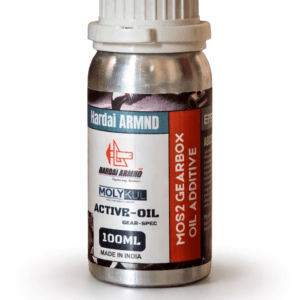
 MolyKul MoS2 Gear Oil additive for cars and bike| Anti-friction MoS2 Solution - 100ml
₹598.73Original price was: ₹598.73.₹399.62Current price is: ₹399.62. Including 18% GST -
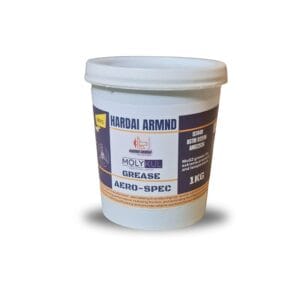
MolyKul Aero-Spec 500 (MKG AS500 NG2) – MoS2 Anti-Seize Aerospace grease – 500 Deg C
₹2,088.60 – ₹9,739.72Price range: ₹2,088.60 through ₹9,739.72 Including 18% GST
-
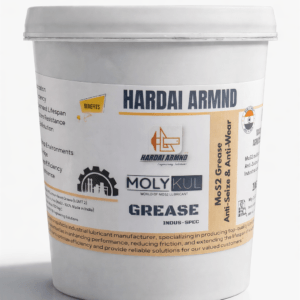
MolyKul MoS2 Grease for industrial application| Lithium + Anti-Seize MoS2 - 650 Deg C
₹1,539.90Original price was: ₹1,539.90.₹1,169.38Current price is: ₹1,169.38. Including 18% GST -
MolyKul MoS2 engine oil additive for cars and bikes| Anti-friction MoS2 Solution - 100ml
₹195.88 – ₹531.00Price range: ₹195.88 through ₹531.00 Including 18% GST
-
MolyKul MoS2 Grease for industrial application| Lithium + Anti-Seize MoS2 - 320 Deg C
₹684.40 – ₹6,608.00Price range: ₹684.40 through ₹6,608.00 Including 18% GST


Leave A Comment