
MoS2 and PTFE Lubricants: Properties, Uses & Benefits
- Home
- The Definitive Guide to MoS2 and PTFE: Engineering the Future of Fastener Performance
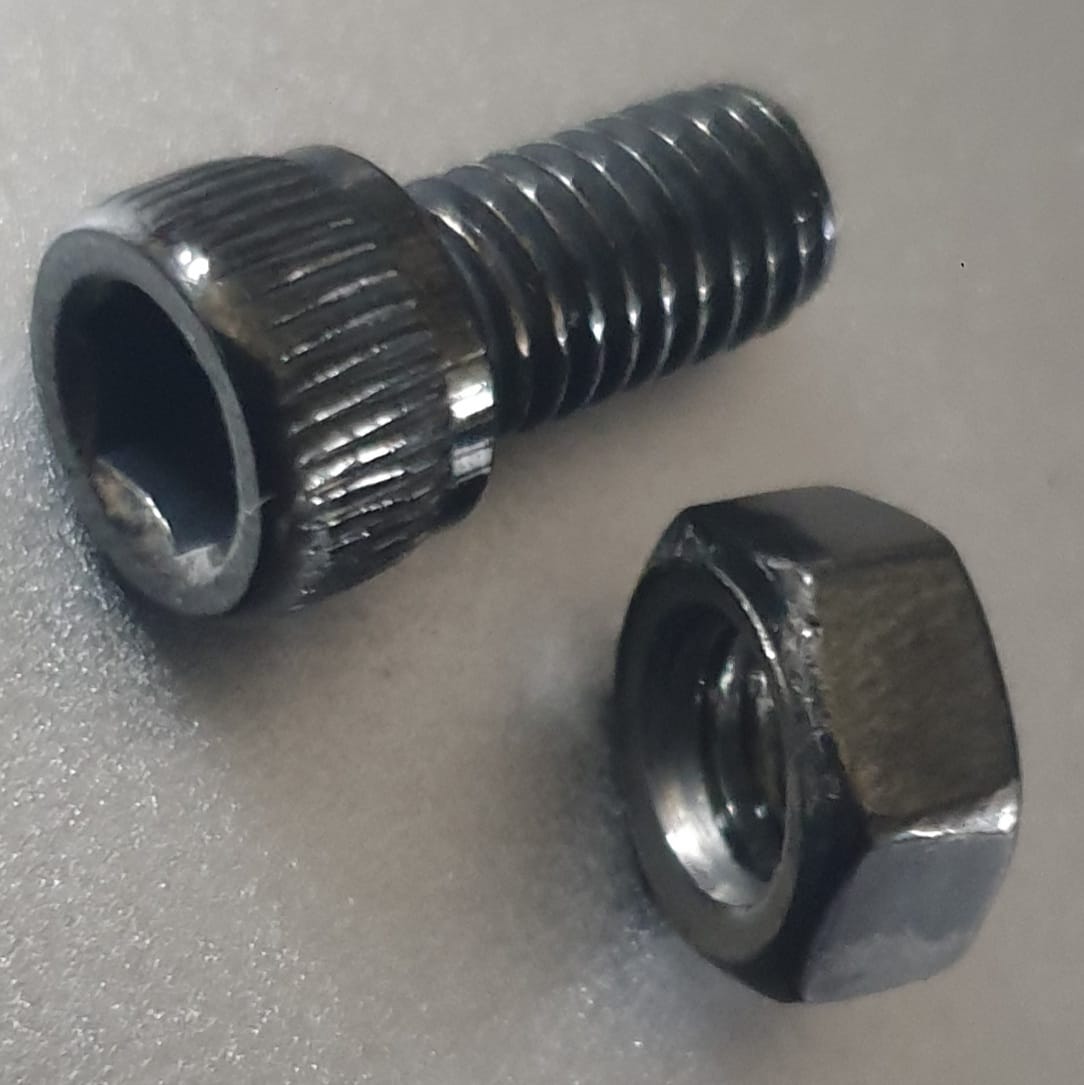
Introduction: The Invisible Science of Reliability
In the realm of high-performance fasteners, the difference between a successful installation and a catastrophic failure often lies in a layer thinner than a human hair. As global industries push the boundaries of depth, height, and heat, the demand for advanced lubrication has never been higher. At our brand, we anchor our philosophy in innovation, durability, and precision engineering. We believe that every bolt, stud, and nut is a critical link in an infrastructure chain that must not break.
This guide explores the effects and differences of MoS2 and PTFE coatings, providing engineers and procurement specialists with the data-driven insights necessary to choose the right dry film lubricant for their specific challenges.
1: The Molecular Architecture of Lubrication
1.1 The Science of Molybdenum Disulfide (MoS2)
MoS2 is a transition metal dichalcogenide compound. To understand its effectiveness, one must look at it on a sub-atomic level. It possesses a hexagonal crystal structure where a layer of molybdenum atoms is sandwiched between two layers of sulfur atoms.
The bond between the molybdenum and sulfur is a strong covalent bond, but the bond between the sulfur layers is a weak Van der Waals force. This creates a layered structure that allows for interlayer sliding. When shear force is applied—such as when a wrench turns a bolt—these layers slide over one another like a deck of cards, providing exceptional lubricating properties under high pressure.
1.2 The Chemistry of PTFE
Polytetrafluoroethylene (PTFE) is a fluoropolymer comprised of tetrafluoroethylene. Unlike the mineral-based MoS2, PTFE is synthetic. Its carbon-fluorine bonds are among the strongest in organic chemistry, making the material nearly inert. Its primary strength lies in its non-stick and low friction properties. Because the fluorine atoms create a protective “shell” around the carbon chain, almost nothing can stick to a PTFE-coated surface.
2: Performance Under Pressure – MoS2
2.1 High Load-Bearing Capacity
One of the most significant effects and differences of MoS2 and PTFE coatings is how they handle weight. MoS2 is designed for the heavyweights. In industrial applications like bridge building or offshore drilling, fasteners are subjected to massive “clamp loads.”
Under these conditions, liquid lubricants are squeezed out of the thread interface, leading to metal-on-metal contact. MoS2, however, stays in place. Its high load-bearing capacity ensures that even under several tons of pressure, the lubrication remains intact.
2.2 Temperature Resilience and Vacuum Stability
In aerospace and high-heat manufacturing, temperature is the enemy. MoS2 maintains its integrity up to 350°C – 400°C in normal atmospheres. Even more impressively, in a vacuum—where oxygen cannot cause the material to oxidize into MoO3—it can withstand temperatures exceeding 1000°C. This makes it an essential tool for innovation in space exploration and vacuum chamber technology.
2.3 The Solution to Galling
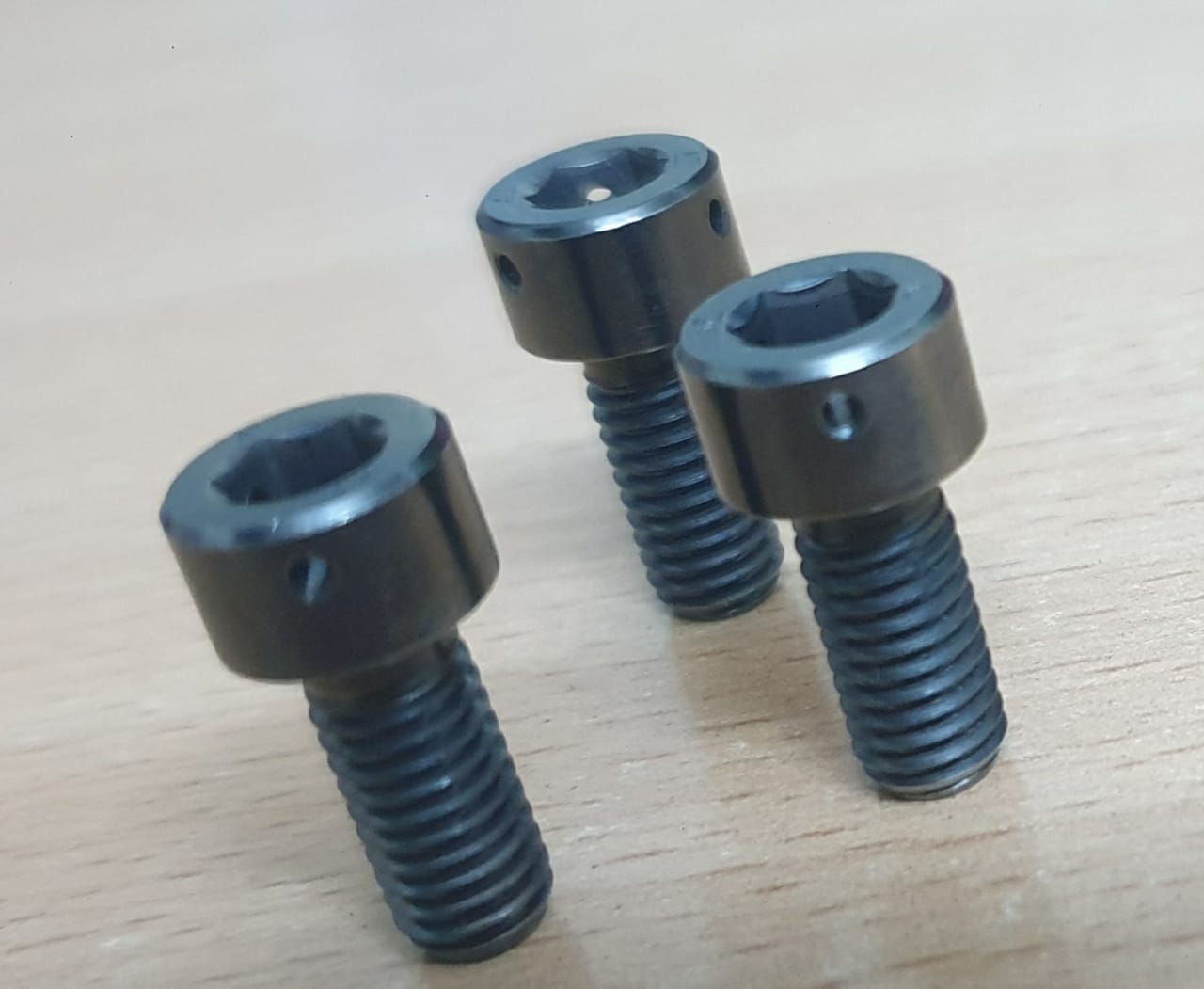
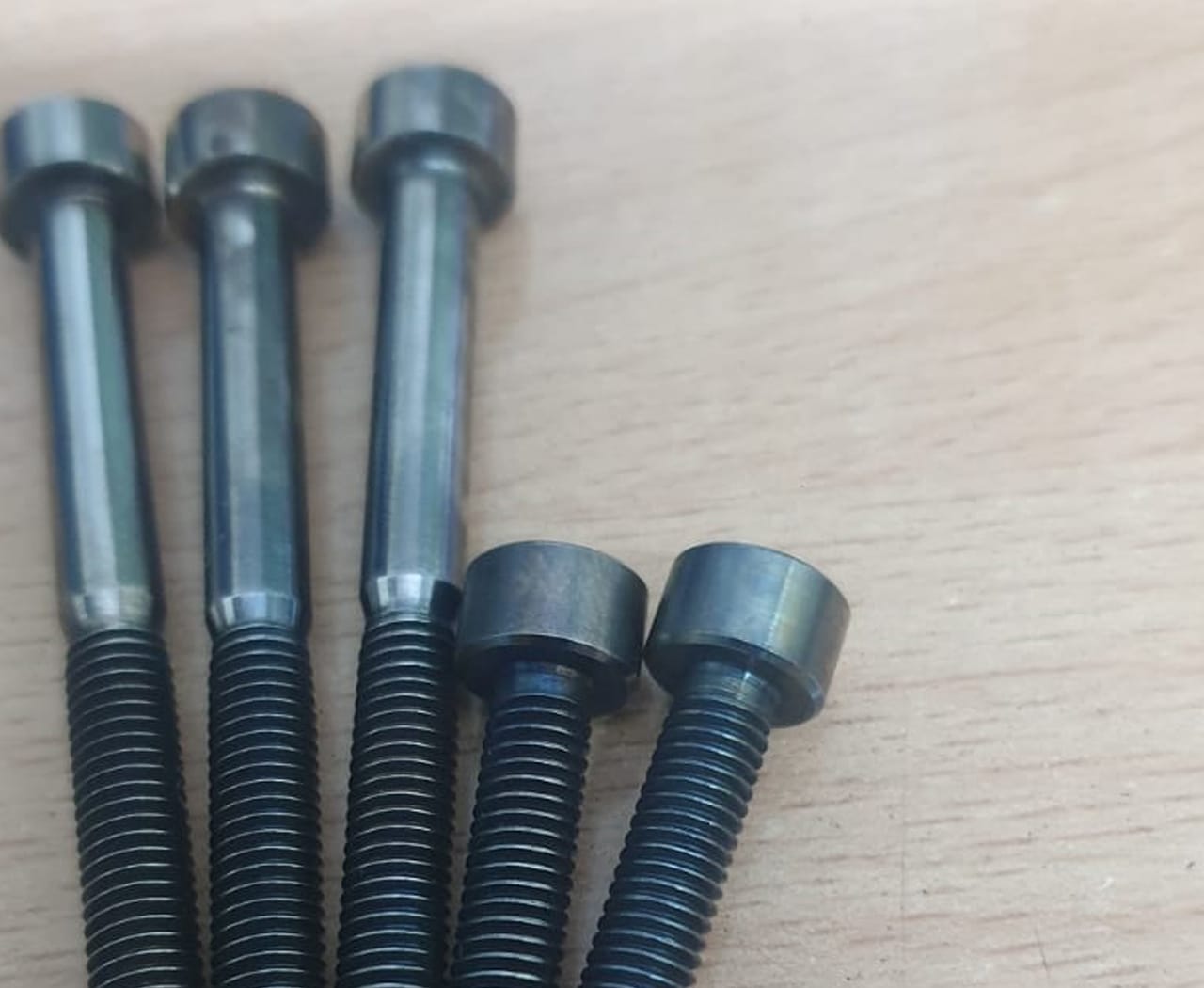
Galling, or “cold welding,” is a nightmare for maintenance teams using stainless steel or titanium fasteners. The friction during installation generates enough heat to fuse the threads together. MoS2 is the premier defense against this. By providing a physical barrier and a low-friction interface, it ensures that durability is maintained throughout the fastener’s service life.
3: The Versatility of PTFE
3.1 Superior Resistance to Chemicals
In chemical processing plants or marine environments, fasteners are constantly bombarded by corrosive agents. PTFE’s superior resistance to a wide range of chemicals—including aggressive acids and bases—makes it the “shield” of the fastener world. While MoS2 focuses on the physics of friction, PTFE focuses on the chemistry of protection.
3.2 Electrical Insulation and Purity
Unlike many metallic or mineral lubricants, PTFE is an excellent insulator. In electrical assemblies or sensitive electronics, using a PTFE-coated fastener prevents unwanted conductivity. Furthermore, PTFE is “clean.” It does not shed particles as easily as MoS2, making it the standard for food-grade environments and medical device manufacturing where precision engineering and hygiene are paramount.
3.3 The Lowest Coefficient of Friction
When the goal is purely the ease of assembly and disassembly in low-to-moderate load environments, PTFE is king. It offers a low coefficient of friction that is often superior to MoS2 at the start of movement (static friction), ensuring smooth, “stutter-free” tightening.
4: Comparative Analysis – Effects and Differences
Performance Metric | MoS2 (Molybdenum Disulfide) | PTFE (Polytetrafluoroethylene) |
Coefficient of Friction | 0.05 – 0.1 | 0.04 – 0.08 |
Max Service Temp | 400°C (Air) / 1100°C (Vacuum) | 260°C |
Load Capacity | Extremely High (>250,000 psi) | Moderate (prone to cold flow) |
Chemical Inertness | Good | Excellent |
Color/Aesthetics | Dark Grey / Black | Various (Blue, Green, Red) |
Wear Life | Long (High Pressure) | Moderate (Low Pressure) |
5: Making the Engineered Choice
Choosing between these two coatings is not about which is “better,” but which is more appropriate for your application’s specific stresses.
- Select MoS2 when your project involves high-torque bolting, high-heat environments (like oil & gas refineries), or where galling is a primary concern.
- Select PTFE when your fasteners will be exposed to corrosive chemicals, require color-coding for safety, or operate in temperatures below 260°C.
At our brand, we don’t just provide coatings; we provide reliability. By integrating these advanced materials into your supply chain, you are investing in the durability of your infrastructure and the innovation of your industry.
Recent Posts
- The Future of Indian Industry: Becoming a Global Power in SPM, Robotics, and Automation
- Industrial EOAT for Paint Bucket and Lubricant Container Palletizing Automation
- Ultimate Guide to Engine Oil Additives for Emergency Engine Protection & Longer Engine Life
- Clean Engines, Strong Performance: Why Drivers Trust Molykul engine oil additive
- How a Smart Engine Oil Additive Can Reduce Vehicle Emissions and Protect Urban Air Quality
Products
-
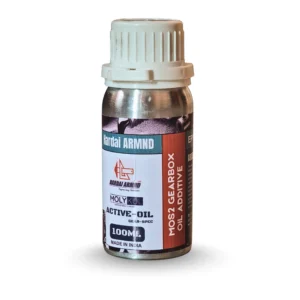
 MolyKul MoS2 Gear Oil additive for cars and bike| Anti-friction MoS2 Solution - 100ml
₹507.40Original price was: ₹507.40.₹338.66Current price is: ₹338.66. Including 18% GST -
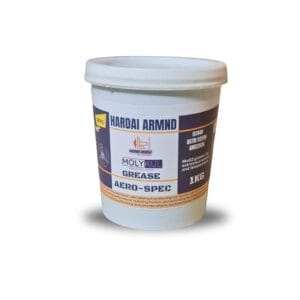
MolyKul Aero-Spec 500 (MKG AS500 NG2) – MoS2 Anti-Seize Aerospace grease – 500 Deg C
₹1,770.00 – ₹8,254.00Price range: ₹1,770.00 through ₹8,254.00 Including 18% GST
-
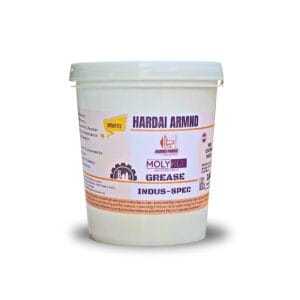
MolyKul MoS2 Grease for industrial application| Lithium + Anti-Seize MoS2 - 650 Deg C
₹1,305.00Original price was: ₹1,305.00.₹991.00Current price is: ₹991.00. Including 18% GST -
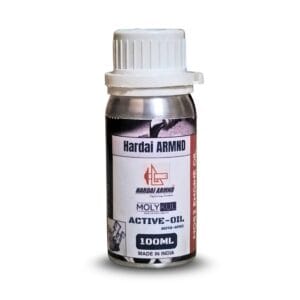
MolyKul MoS2 engine oil additive for cars and bikes| Anti-friction MoS2 Solution - 100ml
₹166.00 – ₹450.00Price range: ₹166.00 through ₹450.00 Including 18% GST
-
MolyKul MoS2 Grease for industrial application| Lithium + Anti-Seize MoS2 - 320 Deg C
₹580.00 – ₹5,600.00Price range: ₹580.00 through ₹5,600.00 Including 18% GST
For More Contact Us
Let’s Collaborate with Hardai ARMND on Your Next Project
Unlock innovation and efficiency with Hardai ARMND as your engineering partner. Whether you’re exploring robotics, automation, or specialized manufacturing solutions, we’re ready to tailor our expertise to your project needs

Leave A Comment