Vacuum Thermal Oil impregnation machine - Hardai ARMND Engineering Solutions
Category
Special purpose machines
Project Type
Concept development
Product/ Service Details
What is Vacuum thermal Oil Impregnation Machine
A Vacuum Thermal Oil Impregnation Machine is a specialized industrial system used to deeply permeate porous materials—like bearings, transformer coils, and sintered parts—with lubricating or insulating oil. By placing the components under a vacuum, the machine evacuates trapped air and moisture from their microscopic pores before heating and introducing oil under pressure.
This process ensures complete, uniform oil penetration, significantly reducing friction, preventing wear, and extending the lifespan of critical mechanical and electrical parts.
This process ensures complete, uniform oil penetration, significantly reducing friction, preventing wear, and extending the lifespan of critical mechanical and electrical parts.
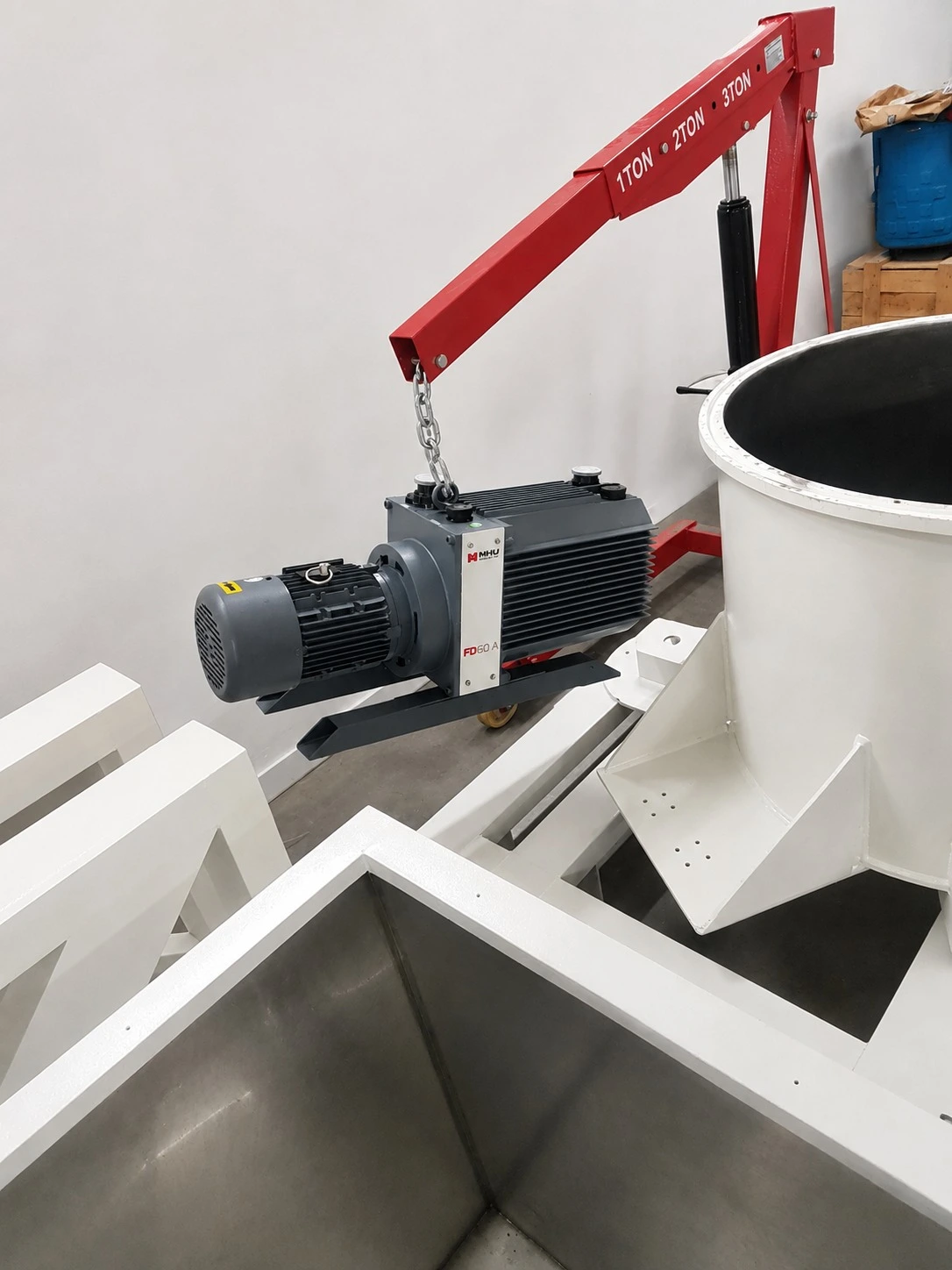
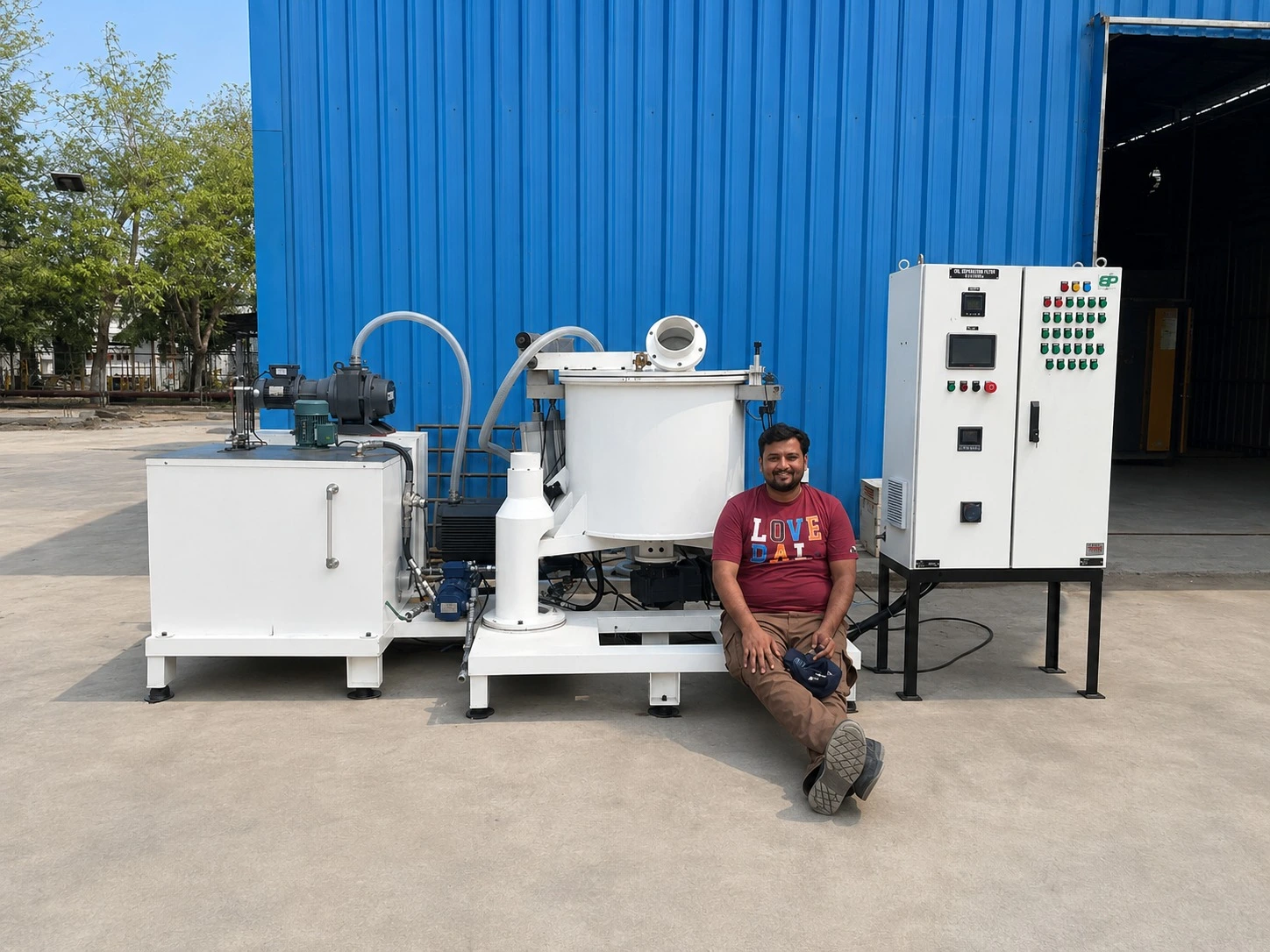
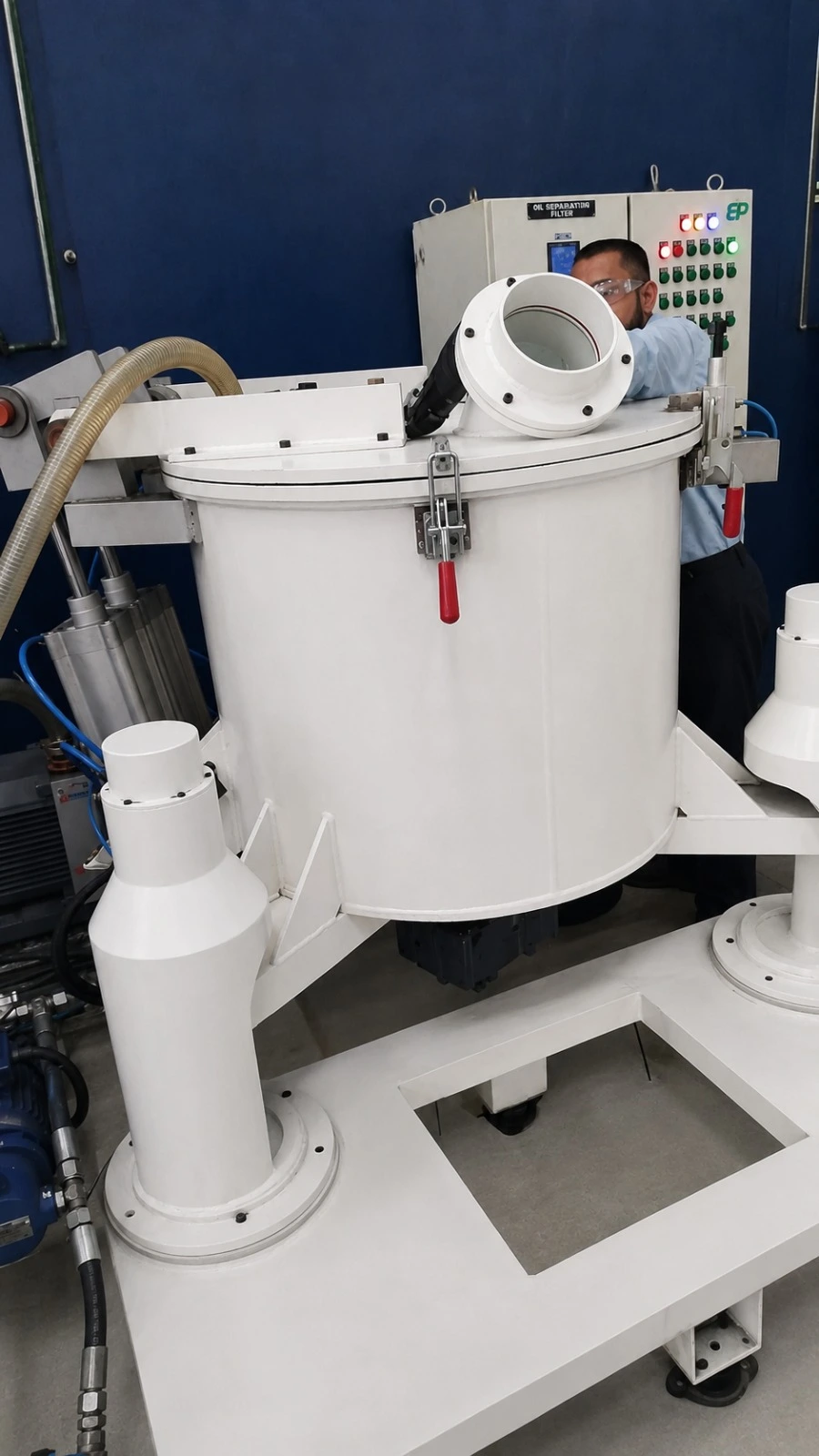
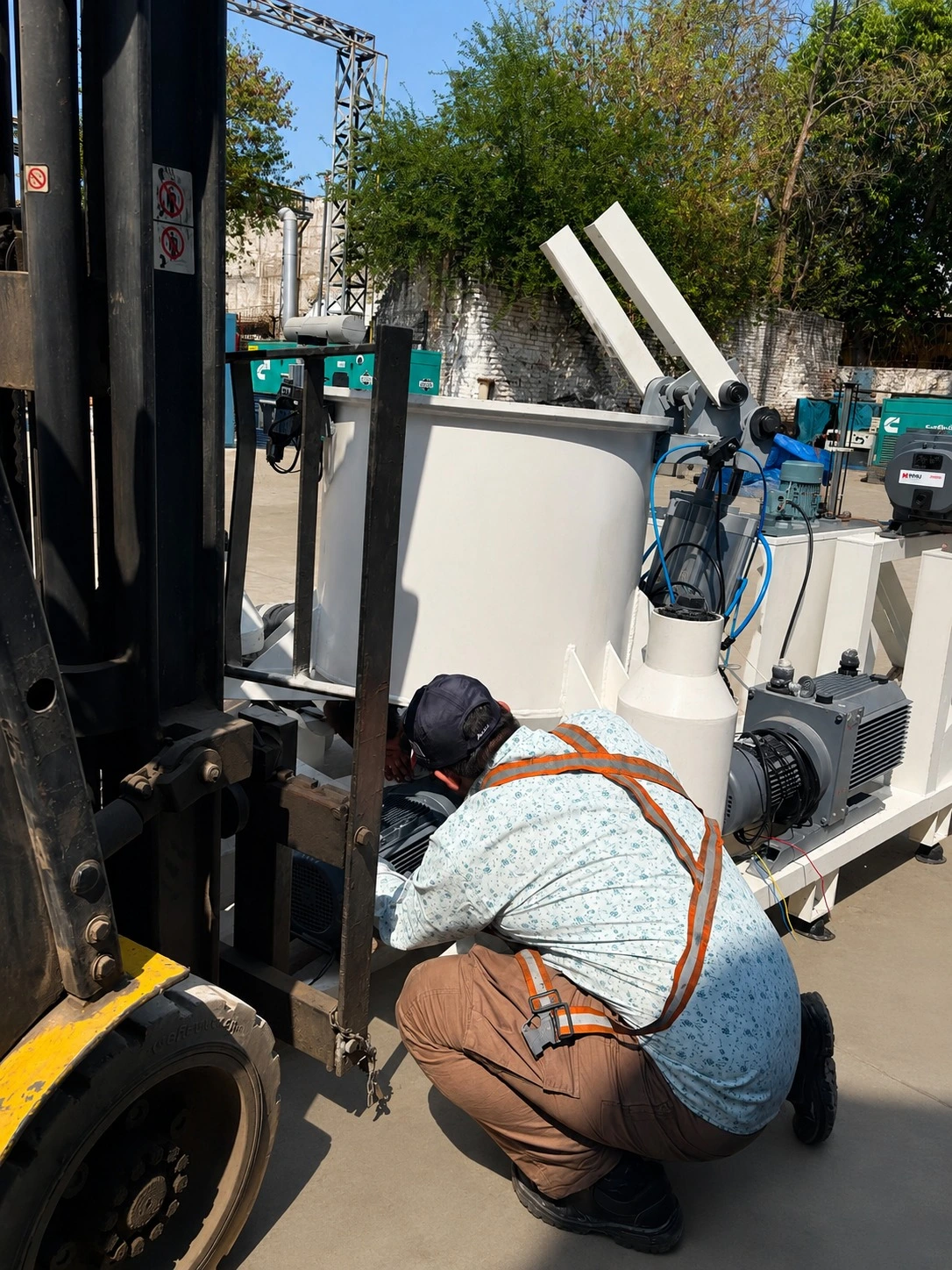
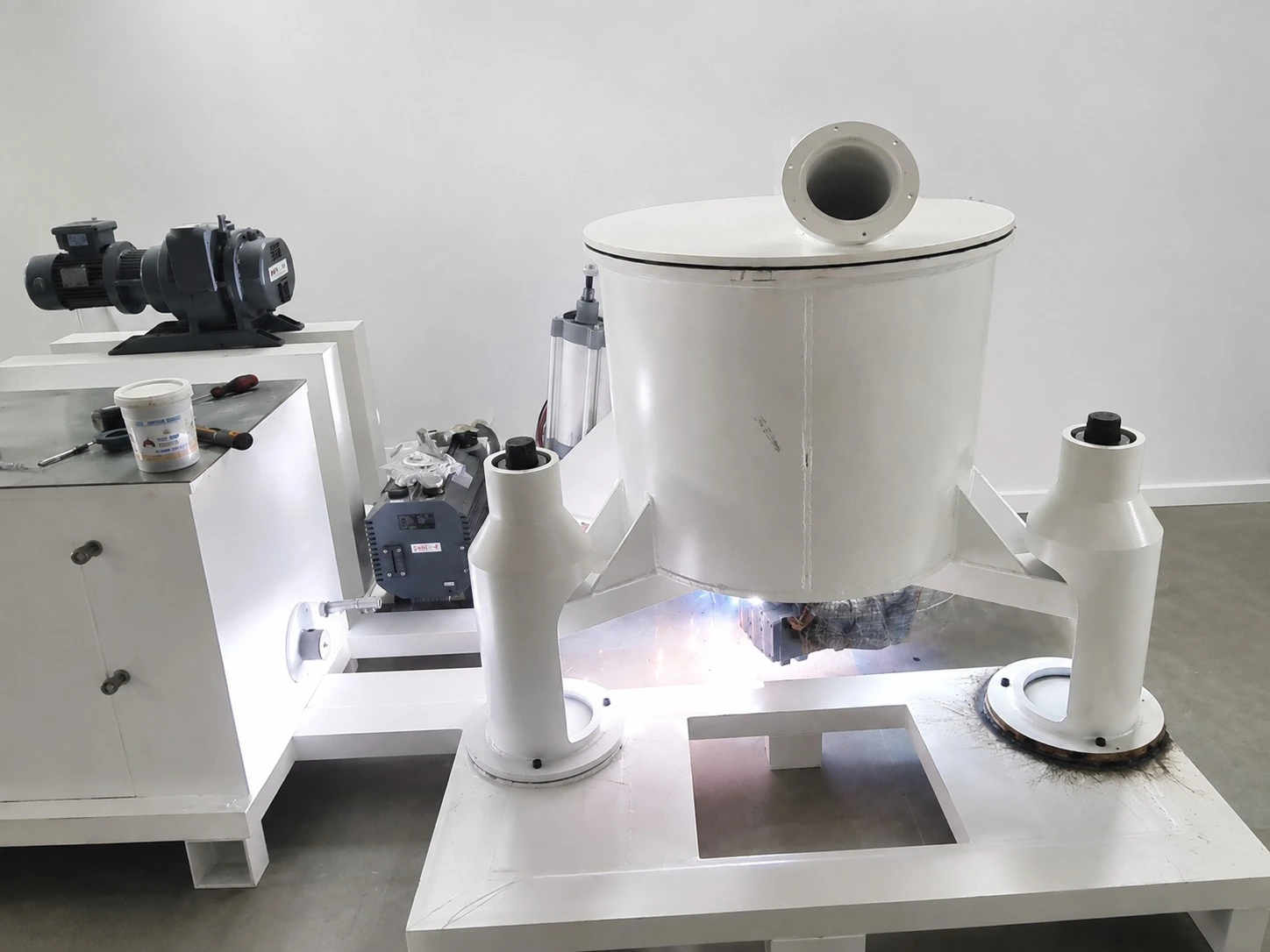
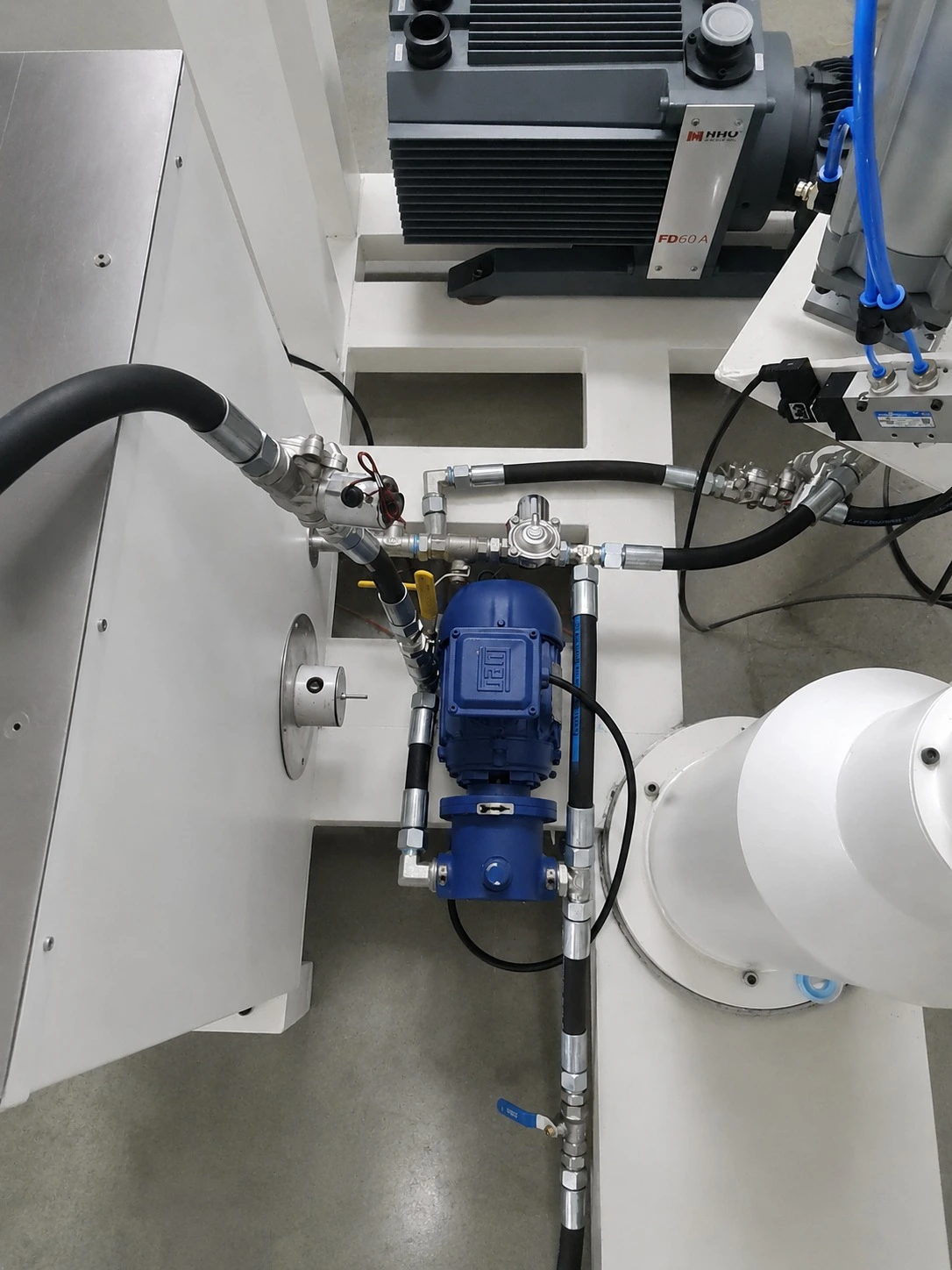
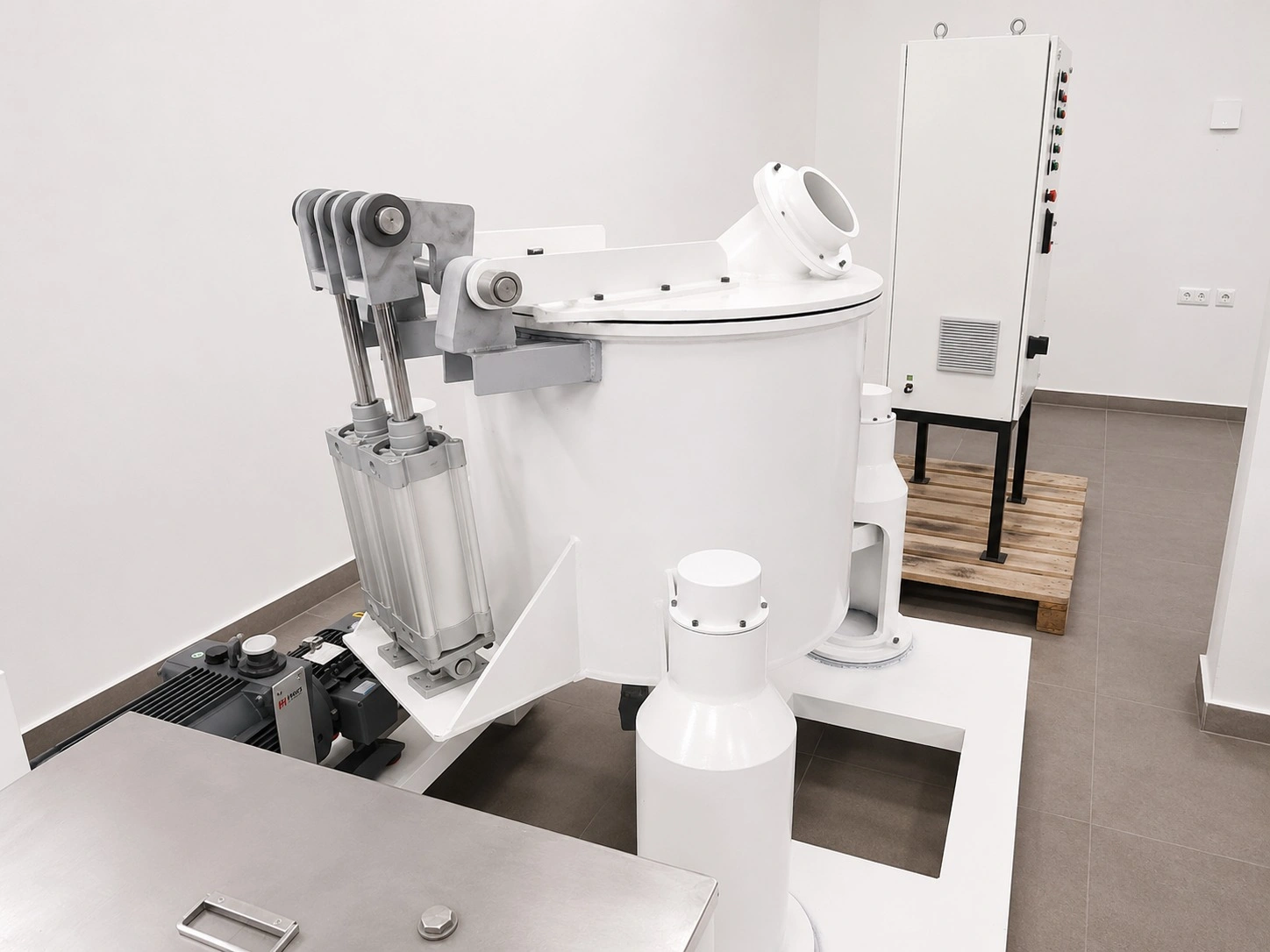
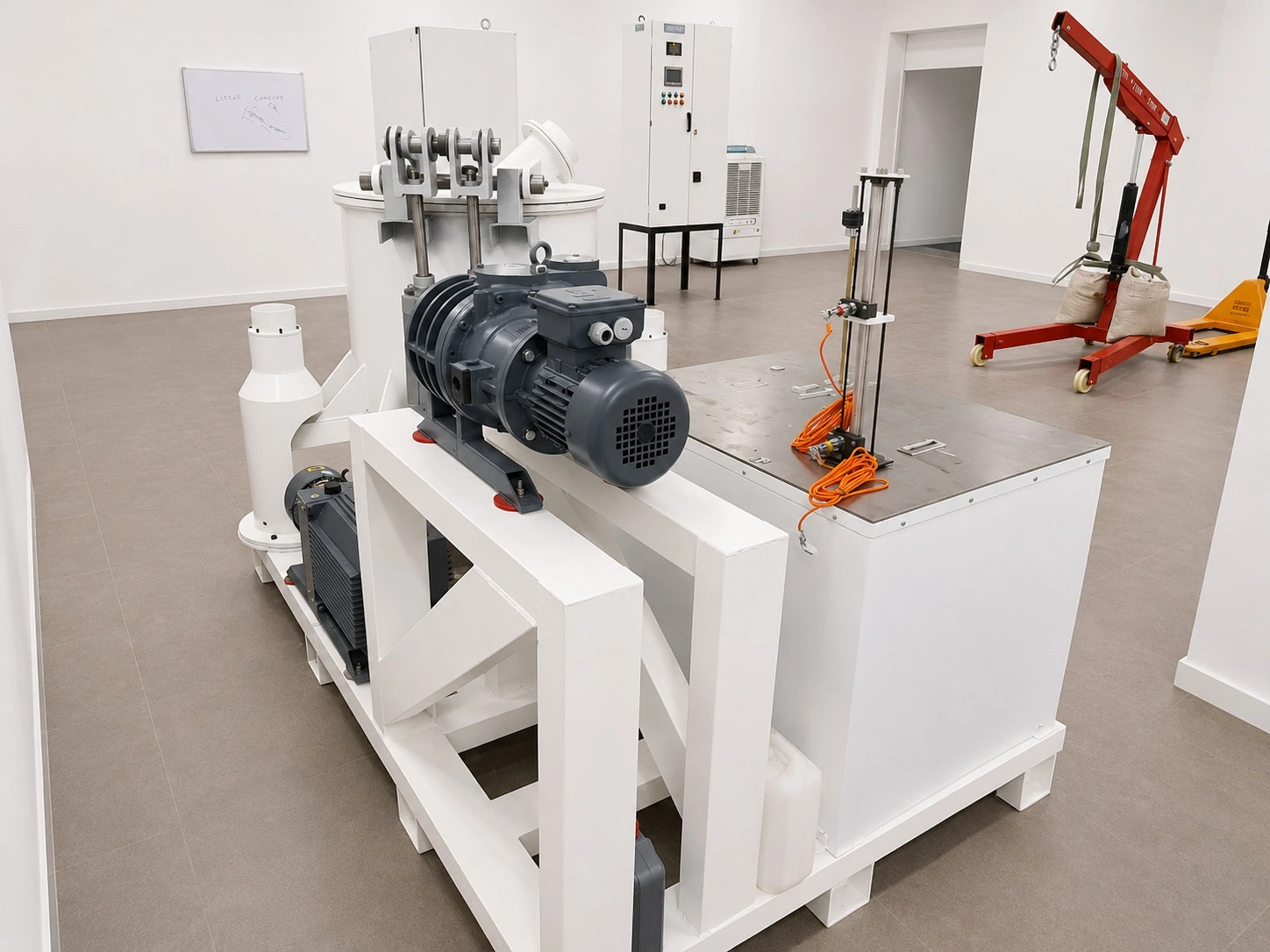
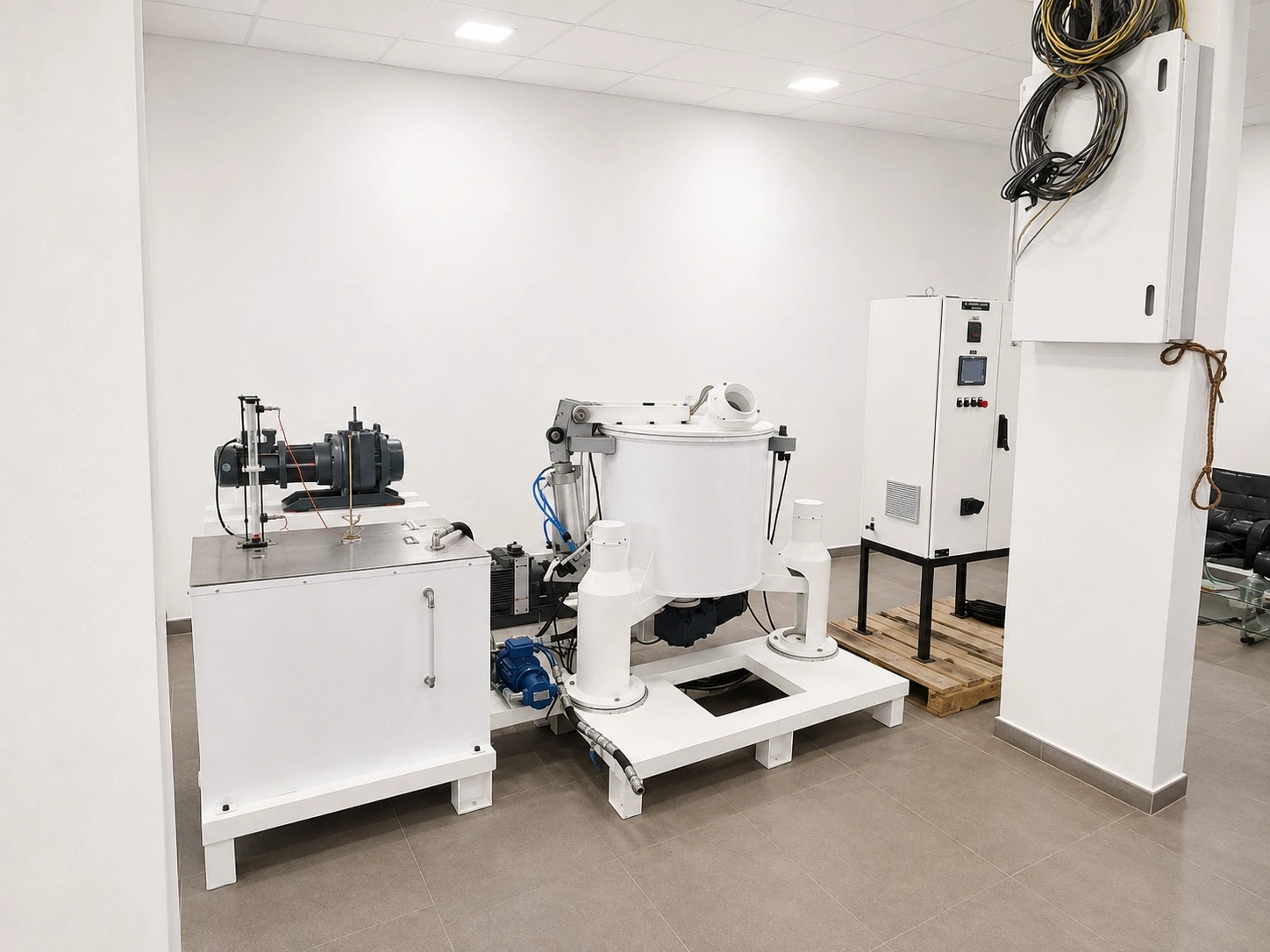
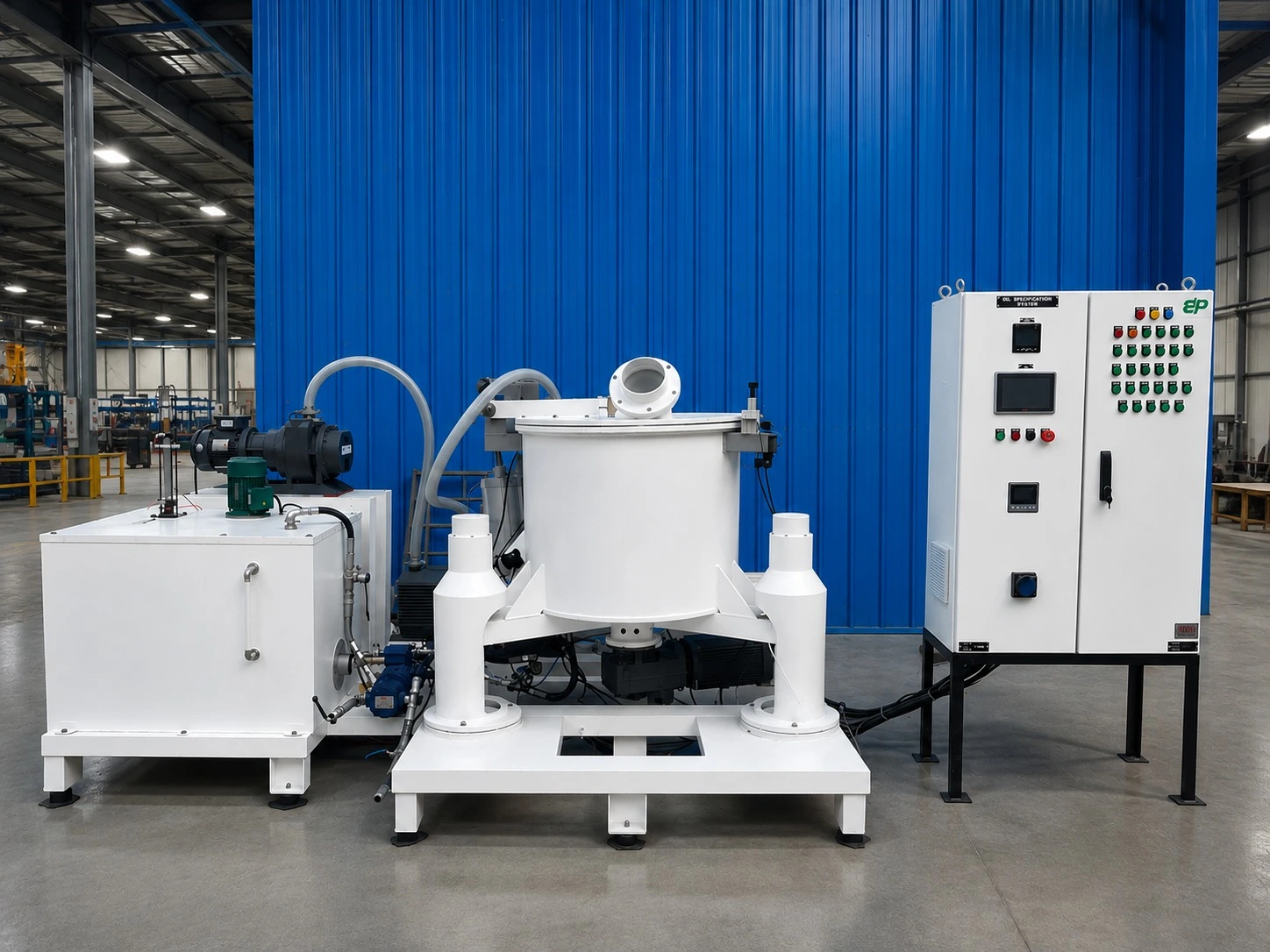
Product machine of impregnating micro pores of IC Engine valve seats and valve guides
This specialized industrial system is engineered to deeply permeate the microscopic pores of sintered powder metal components. It targets automotive parts like internal combustion (IC) engine valve seats and valve guides to reduce friction and prevent early mechanical wear. The system uses a heated oil vacuum process to ensure complete and uniform oil penetration into the material's structural micro-pores.
- Target Components: Sintered valve guides and valve seats.
- Base Technology: Sintered powder metal material technology.
- Key Function: Permeating structural micro-pores with high-performance oil.
Building SPM in India like oil impregnation machine
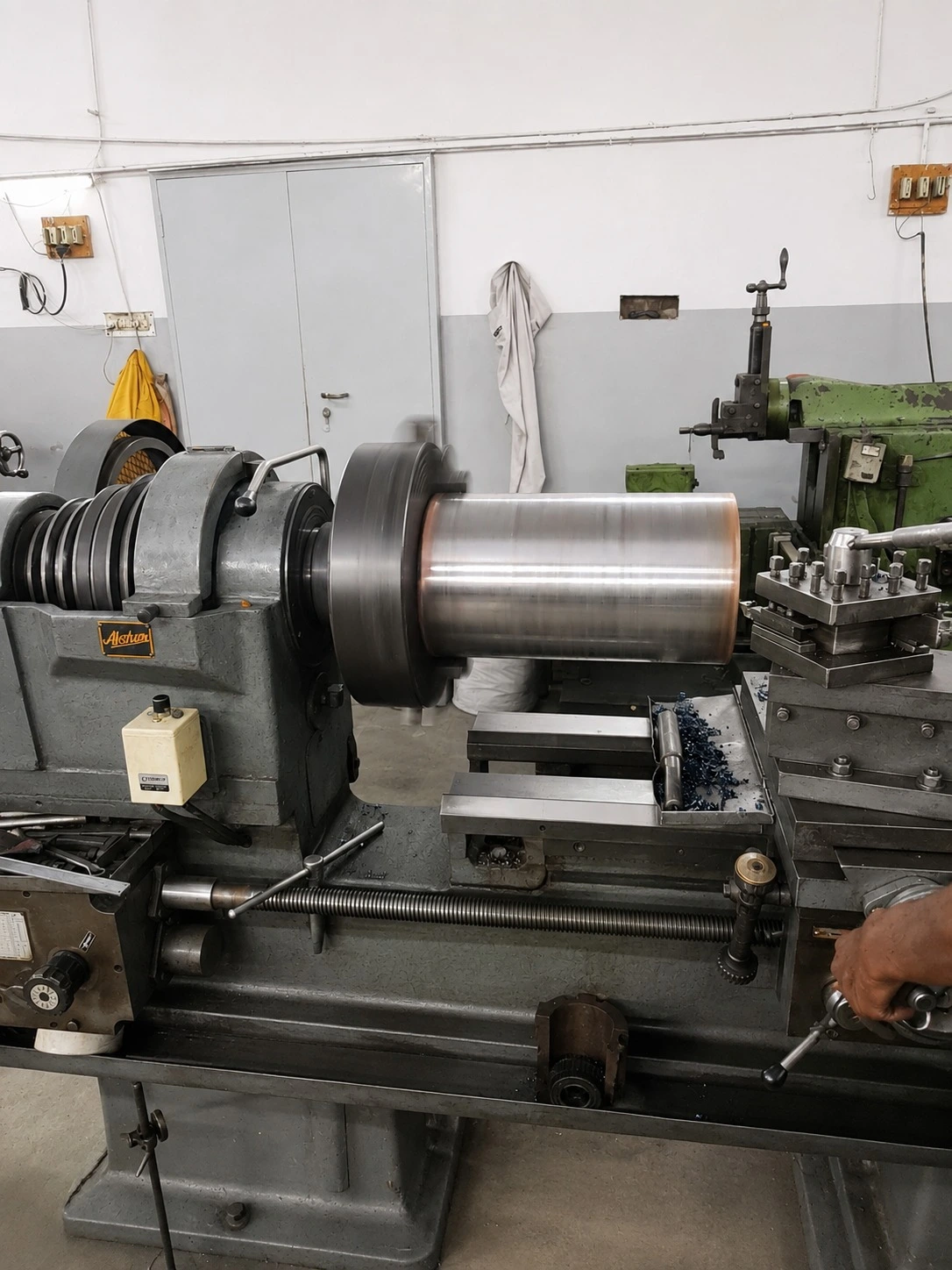
Developing a highly technical Special Purpose Machine (SPM) locally requires resolving complex multi-disciplinary engineering hurdles. Designers must eliminate common oil and vacuum pressure leaks while mitigating the high vibrations associated with spinning a 450 kg heavy basket at 650 RPM. Managing these factors within an indigenous supply chain requires a reliable engineering ecosystem capable of strict, repeatable manufacturing standards.
- Critical Issues: Combating persistent industrial oil leakages and structural vibrations.
- Mechanical Load: Centrifuging a heavy, fully loaded material basket weighing 450 kg at 650 RPM.
- Ecosystem Needs: Coordinating complex design, fluid simulation, and nationwide specialized partners.
Automation in process sequence
The process sequence is completely modernized through a robust, centralized Programmable Logic Controller (PLC) system that supports both manual and automatic operation cycles. Automation coordinates the entire sequence: driving the pneumatic and hydraulic valves, activating the vacuum roots pump, managing the oil transfer, and regulating the safety interlocks. This automated control ensures maximum process repeatability and error-proof operations while monitoring parameters in real time.
- Control Core: Upgraded, centralized PLC-controlled automation network.
- Sequence Control: Automatic management of vacuum levels , heating, bidirectional oil pumping, and spinning.
- Error Proofing: Integrated door sensors, two-hand start controls, and safety PLC interlocks.
High Quality Economic Design
The machine design balances top-tier performance with cost efficiency by utilizing robust metric standards and high-quality commercial off-the-shelf components. The design features an insulated MS-fabricated oil storage tank equipped with built-in bobbin heaters and an oil stirrer to prevent localized overheating. Rigorous early stage 3D CAD modeling and fluid simulations ensure precise component selection, cutting down on unnecessary development waste.
- Chamber Build: MS fabricated structure featuring internal epoxy painting and a dished oil-collection bottom.
- Thermal System: 4.5 kW insulated heating tank with an integrated motorized stirrer and return line filters.
- Engineering Tools: Advanced engineering via Fluid Circuit Simulation and 3D CAD modeling.
Machine Building Journey
The development process moves systematically through eleven distinct parallel and sequential phases over a 9-week timeline. It begins with rigorous design calculations, fluid simulations, and 3D modeling, followed by component procurement and part manufacturing. After cleanroom assembly and standalone tabletop tests, the machine undergoes rigorous quality trials before final site commissioning.
- Initial Phase: Design calculations, 3D CAD modeling, and fluid loop simulations (Weeks 1-3).
- Mid Phase: Component procurement, precision manufacturing, fabrication, and PLC programming (Weeks 3-6).
- Final Phase: Comprehensive trial testing, Pre-Dispatch Inspection (PDI), delivery, and on-site installation (Weeks 6-9).
About Author
