Cutting Downtime and Maintenance Costs in Factory Machines
- Home
- Cutting Downtime and Maintenance Costs in Factory Machines

In modern manufacturing, machine downtime is no longer just a maintenance concern—it is a business risk. Every unexpected stoppage disrupts production flow, increases operating costs, and puts delivery commitments under pressure. At the same time, maintenance expenses continue to rise due to higher spare-part costs, aging equipment, and the growing complexity of machines.
Factories that successfully reduce downtime and maintenance costs do not rely on quick fixes. Instead, they adopt a systematic approach to machine reliability, combining disciplined maintenance practices, condition monitoring, skilled operators, and advanced lubrication strategies.
The Real Impact of Downtime on Manufacturing Operations
Downtime is often measured only in hours lost, but its real impact is far broader. When a critical machine stops unexpectedly, operators stand idle, upstream and downstream processes are affected, and quality issues may arise during hurried restarts. In continuous or high-volume industries, even a short stoppage can result in significant financial losses.
Unplanned downtime also drives maintenance costs upward. Emergency repairs typically involve overtime labor, expedited spare parts, and temporary fixes that may not fully address the root cause. Over time, this reactive approach leads to frequent breakdowns and reduced equipment life.
Moving Beyond Breakdown Maintenance
Many factories still operate in a breakdown maintenance mode, where machines are run until failure. While this may seem cost-effective in the short term, it almost always leads to higher long-term expenses.
Preventive maintenance introduces structure and predictability into machine care. Equipment is serviced at planned intervals based on operating hours, cycles, or manufacturer recommendations. These planned stoppages are far less disruptive than sudden failures and allow maintenance teams to work methodically rather than under pressure. Over time, preventive maintenance improves reliability, reduces catastrophic failures, and stabilizes production output.
Using Condition Monitoring to Predict Failures
As manufacturing becomes more data-driven, condition monitoring plays an increasingly important role in reducing downtime. By continuously measuring parameters such as vibration, temperature, pressure, and electrical load, factories gain visibility into the actual health of their machines.
Mechanical failures rarely occur without warning. Bearings wear gradually, lubrication degrades over time, and misalignment develops slowly. Condition monitoring makes these trends visible, allowing maintenance teams to intervene before failure occurs. This predictive maintenance approach reduces unnecessary part replacements while preventing sudden breakdowns during critical production periods.
The Role of Secondary Lubrication and MoS₂ Solid Lubricants
One often overlooked but highly effective method of reducing downtime and maintenance costs is the use of secondary lubrication solutions, particularly molybdenum disulfide (MoS₂) solid lubricants in the form of greases and oils.
In many factory environments, machines operate under harsh conditions—high loads, shock loading, slow speeds, high temperatures, dust, or intermittent lubrication. Under these conditions, conventional lubricants alone may not provide sufficient protection, especially during start-up, boundary lubrication, or temporary lubricant starvation.
MoS₂ solid lubricants offer a critical advantage. Their layered crystal structure allows them to form a durable, low-friction film on metal surfaces. Even if the oil or grease film breaks down, this solid lubricant layer continues to protect components from metal-to-metal contact.
When used as a secondary lubrication solution, MoS₂ greases and oils significantly reduce wear in components such as bearings, gears, slideways, chains, and heavily loaded pivots. They are particularly effective in applications involving high pressure, low speed, or oscillating motion—conditions where traditional lubricants often struggle.
By reducing friction and wear, MoS₂-based lubricants extend component life, lower operating temperatures, and minimize the risk of sudden seizure or failure. This directly translates into fewer breakdowns, longer maintenance intervals, and reduced spare-part consumption. In practical terms, machines become more tolerant of adverse conditions and less dependent on perfect lubrication timing.
Standardization and Consistency in Maintenance Practices
Inconsistent maintenance procedures are a hidden source of downtime. When different technicians follow different methods, critical steps may be skipped, lubrication quantities may vary, and troubleshooting becomes slower and less effective.
Standardized maintenance procedures ensure that every machine is serviced correctly, every time. Clear documentation, lubrication schedules, and service checklists reduce human error and make fault diagnosis faster. Standardization also simplifies training and ensures continuity even when maintenance personnel change.
Involving Operators in Machine Health
Machine operators are often the first to notice changes in machine behavior. A slight increase in noise, vibration, or temperature can indicate an emerging problem long before a breakdown occurs.
By training operators to recognize early warning signs and encouraging prompt reporting, factories can address issues at an early stage. Basic operator-level tasks such as cleaning, visual inspection, and correct operating practices reduce contamination, prevent misuse, and extend machine life. This shared responsibility between operators and maintenance teams creates a proactive maintenance culture.
Managing Spare Parts to Minimize Downtime
Even well-maintained machines can fail if spare parts are not available when needed. Waiting for a critical component can turn a minor repair into extended downtime.
An effective spare-parts strategy balances availability and cost. By identifying critical components, understanding lead times, and analyzing historical usage, factories can maintain optimal inventory levels. This ensures quick repairs without tying up excessive capital in unused stock.
Turning Downtime into Improvement Opportunities
Every machine failure provides valuable insight. Factories that consistently reduce downtime are those that analyze breakdown data instead of simply fixing the immediate problem.
By tracking failure frequency, root causes, and repair times, patterns become clear. Repeated issues often point to deeper problems such as inadequate lubrication, improper loading, or unsuitable operating conditions. Addressing these root causes leads to permanent improvements rather than recurring repairs.
Conclusion
Reducing downtime and maintenance costs requires more than fast repairs—it demands a smarter approach to machine reliability. Preventive and predictive maintenance, condition monitoring, standardized procedures, trained operators, and advanced lubrication solutions all play a vital role.
The use of secondary lubrication solutions such as MoS₂ solid lubricants in greases and oils adds an extra layer of protection, especially in demanding industrial conditions. By reducing friction, wear, and failure risk, these solutions help machines run longer, more reliably, and at lower overall cost.
In manufacturing, the most cost-effective breakdown is the one that never happens.
Ready to Reduce Downtime and Maintenance Costs?
If unplanned breakdowns, rising maintenance expenses, or recurring machine issues are affecting your production, it’s time to take a smarter approach. Hardai ARMND Engineering Solutions offers free consulting guidance to help you identify the root causes of downtime and develop practical, cost-effective strategies to improve machine reliability.
From maintenance optimization and condition monitoring to advanced lubrication solutions, our focus is on real-world improvements that deliver measurable results—not generic advice.
Recent Posts
- Manual to Smart: AI Automation in India Changing Industries
- The Future of Indian Industry: Becoming a Global Power in SPM, Robotics, and Automation
- Industrial EOAT for Paint Bucket and Lubricant Container Palletizing Automation
- Ultimate Guide to Engine Oil Additives for Emergency Engine Protection & Longer Engine Life
- Clean Engines, Strong Performance: Why Drivers Trust Molykul engine oil additive
Products
-
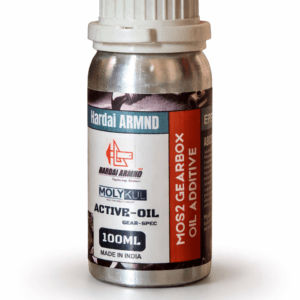
 MolyKul MoS2 Gear Oil additive for cars and bike| Anti-friction MoS2 Solution - 100ml
₹598.73Original price was: ₹598.73.₹399.62Current price is: ₹399.62. Including 18% GST -
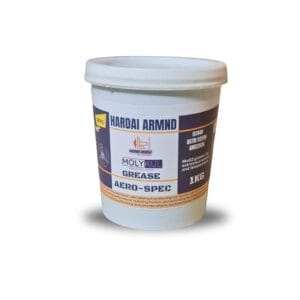
MolyKul Aero-Spec 500 (MKG AS500 NG2) – MoS2 Anti-Seize Aerospace grease – 500 Deg C
₹2,088.60 – ₹9,739.72Price range: ₹2,088.60 through ₹9,739.72 Including 18% GST
-
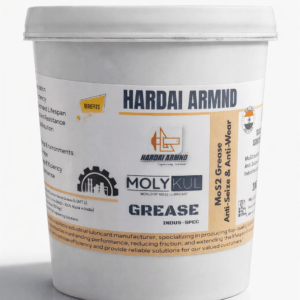
MolyKul MoS2 Grease for industrial application| Lithium + Anti-Seize MoS2 - 650 Deg C
₹1,539.90Original price was: ₹1,539.90.₹1,169.38Current price is: ₹1,169.38. Including 18% GST -
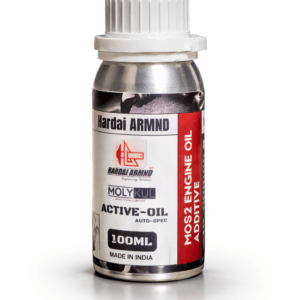
MolyKul MoS2 engine oil additive for cars and bikes| Anti-friction MoS2 Solution - 100ml
₹195.88 – ₹531.00Price range: ₹195.88 through ₹531.00 Including 18% GST
-
MolyKul MoS2 Grease for industrial application| Lithium + Anti-Seize MoS2 - 320 Deg C
₹684.40 – ₹6,608.00Price range: ₹684.40 through ₹6,608.00 Including 18% GST
For More Contact Us
Let’s Collaborate with Hardai ARMND on Your Next Project
Unlock innovation and efficiency with Hardai ARMND as your engineering partner. Whether you’re exploring robotics, automation, or specialized manufacturing solutions, we’re ready to tailor our expertise to your project needs

Leave A Comment